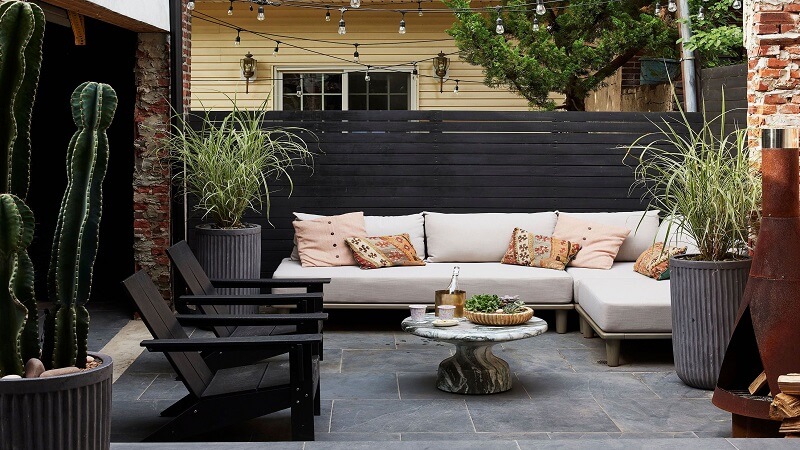
Outdoor renovation can make a significant impact on both your lifestyle and your home’s overall value. You may be looking to create a quiet backyard retreat, design a patio suited for entertaining, or finally make better use of underutilized areas. Outdoor renovation goes far beyond choosing decorative materials; it involves shaping spaces around how you live, relax, and function every day.
This guide walks you through essential steps and creative opportunities to help you breathe new life into various outdoor areas of your home, including patios, walkways, landscaping, storage spaces, and more.
Assessing Your Outdoor Priorities
Every successful renovation begins with a clear understanding of your goals. You might be envisioning a space for family gatherings, a peaceful garden corner for relaxation, or additional storage for tools, bicycles, and seasonal equipment.
Start by walking through your entire outdoor area and noting what works, what doesn’t, and what is currently underused. Compare how you use your outdoor space now with how you would like to use it in the future. For instance, a large lawn area could be transformed into a patio with a fire pit, while an unused corner might be better suited for a garden feature or a compact storage shed.
Knowing your priorities from the beginning helps guide design decisions and ensures long-term satisfaction with your investment.
Designing Comfortable and Functional Patios
Patios often serve as an extension of your indoor living space, offering an area for relaxing, dining, and socializing. When planning a patio, start with layout and flow. Consider how people will move from the house to seating areas and how features like grills or fire pits fit into the design. Common materials include stone, pavers, and wood, each offering different looks and maintenance requirements.
Shade and lighting play a major role in comfort. Pergolas, awnings, or shade sails can make patios more usable during hot days, while well-placed lighting creates warmth and visibility in the evening. Solar lights, string lighting, and lanterns can add atmosphere while highlighting walkways and planters.
Incorporating built-in seating or discreet storage solutions can help keep the space organized and clutter-free. A thoughtfully designed patio feels natural, welcoming, and easy to enjoy throughout the year.
Upgrading Walkways and Landscaping
Landscaping connects all outdoor elements, creating smooth and visually appealing transitions between spaces. Walkways are not only functional but also contribute to the overall design. Curved stone paths, gravel walkways, or bordered trails can guide movement while adding character to your yard.
Plant selection should be based on climate, soil conditions, and maintenance preferences. Native plants are often low-maintenance and well-suited to local environments. A mix of flowering plants, evergreens, and ornamental grasses adds texture and interest throughout the seasons.
Borders, raised beds, and focal points such as sculptures or water features enhance visual appeal. Keep in mind that landscaping evolves over time, so designs should allow for natural growth and seasonal change.
Enhancing Outdoor Structures
Outdoor structures such as pergolas, decks, gazebos, and sheds add both function and architectural interest. When renovating or adding these features, durability and purpose should guide your decisions. A cedar pergola can provide shade and support climbing plants, while a well-built deck often becomes a central gathering space.
Storage buildings and sheds should balance practicality with appearance. Placement is important, especially when storing frequently used tools or equipment. Coordinating colors with the home or landscape helps these structures blend seamlessly into the overall design.
Additional features such as outdoor kitchens, built-in seating, and custom storage can elevate outdoor spaces and make them more versatile.
Organizing Your Garage for Outdoor Living
While patios and gardens often receive the most attention, the garage plays a crucial role in supporting outdoor living. A well-organized garage improves access to tools, recreational gear, and seasonal items, making outdoor projects easier and more enjoyable.
A good starting point is decluttering and sorting items into categories such as gardening tools, sports equipment, and automotive supplies. From there, you can explore practical garage organization ideas that help maintain order and functionality. Wall-mounted storage, overhead racks, pegboards, and labeled bins allow everything to have a designated place while freeing up valuable floor space.
Investing time in organization reduces frustration and ensures your outdoor renovation efforts are supported rather than hindered by clutter.
Organizing Activity Areas
When planning outdoor renovations, thinking in terms of activity zones can significantly improve usability. A social zone may include a dining area and fire pit, while a quiet zone might feature a garden bench or hammock. Children’s play areas, grilling stations, and fitness spaces can each be thoughtfully positioned to suit their purpose.
This zoning approach minimizes overcrowding and maximizes functionality. Visual separation using plants, trellises, or screens can define areas without the need for permanent structures. Clearly defined zones make outdoor spaces more flexible and enjoyable for everyone.
Taking Care of Outdoor Furniture and Fixtures
Furniture and fixtures complete an outdoor space, but they require proper care to maintain their appearance and durability. Choose materials suited to your climate, such as wicker or teak for shaded areas, metal or treated wood for open spaces, and weather-resistant fabrics for cushions.
Regular maintenance extends the life of outdoor furniture. Cleaning, using protective covers, and storing items during harsh weather conditions help prevent damage. Outdoor lighting fixtures should also be rated for exterior use and checked periodically for wear.
Accessories like outdoor rugs, cushions, and planters add comfort and personality, helping tie the entire design together.
Budgeting and Phasing Your Renovation
Outdoor renovations can range from small upgrades to complete transformations. Establishing a realistic budget helps prioritize projects and identify solutions that offer the best value. Phasing renovations allows you to start with high-use areas and expand over time.
Investing in quality materials and professional assistance where needed, such as electrical work or structural elements, often saves money in the long run. Gathering multiple quotes and researching contractors ensures informed decisions.
Conclusion
Once renovations are complete, take time to enjoy your outdoor spaces and fine-tune details such as furniture placement or plant selection. Ongoing maintenance is key to preserving both appearance and safety. Regular tasks include checking for loose pavers, refreshing wood finishes, trimming plants, and cleaning fixtures.