
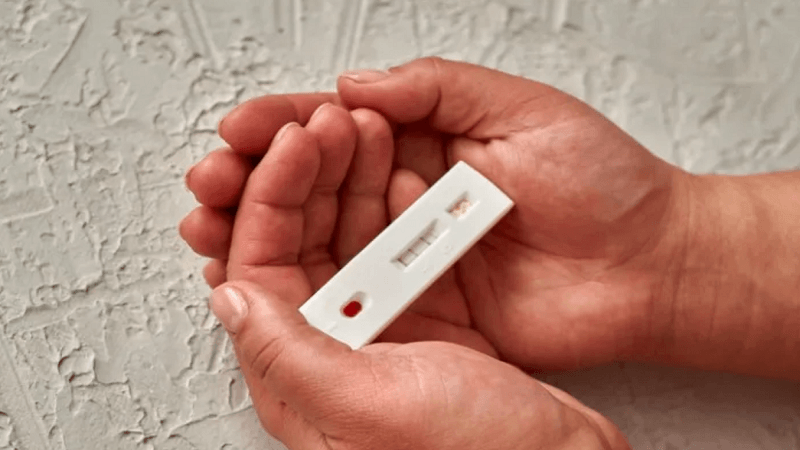
There is a particular kind of avoidance that surrounds STI testing for many sexually active adults. It is not that people do not understand the importance of knowing their status. Most do. The avoidance is about the process: the scheduling, the clinic environment, the awkward conversations with a provider, and the anxiety of sitting in a waiting room for an appointment that feels far more personal than a routine physical. The result is that many people go far longer between tests than they should, not from indifference but from friction.
At-home STI testing has changed this significantly, but many people still have an outdated mental model of what at-home testing covers. They imagine a basic swab test for one or two infections. The reality, particularly with comprehensive panel options, is much more complete.
Why Regular STI Screening Matters
The most important fact about sexually transmitted infections from a public health standpoint is that the majority of them produce no symptoms. Chlamydia, one of the most prevalent bacterial STIs globally, is asymptomatic in approximately 70 to 90 percent of women and a large proportion of men. Gonorrhea, hepatitis B, hepatitis C, and early-stage syphilis frequently produce no noticeable symptoms. HIV can be present for years before symptoms appear.
This means that the absence of symptoms is not a meaningful indicator of status. The only reliable way to know your status is to test. For sexually active adults, particularly those with new or multiple partners, regular screening is the standard of responsible sexual healthcare, recommended by major public health organizations. The CDC recommends annual chlamydia and gonorrhea testing for sexually active women under 25 and for older women with risk factors. Broader recommendations exist for HIV testing, hepatitis B, syphilis, and other infections based on individual risk.
What a Comprehensive Panel Tests For
A basic STI test at a clinic often screens for three or four common infections: typically chlamydia, gonorrhea, HIV, and perhaps syphilis. While covering those is better than nothing, a more comprehensive panel gives a significantly fuller picture of sexual health, especially for infections that are often overlooked in standard screenings.
A 9-panel STI test from Wisp covers nine infections simultaneously: chlamydia, gonorrhea, trichomoniasis, syphilis, hepatitis B, hepatitis C, HSV-1, HSV-2, and HIV via the OraQuick rapid test. The inclusion of herpes testing is particularly notable. HSV-1 and HSV-2 are among the most common STIs worldwide, with the majority of infected individuals unaware of their status, yet herpes is routinely left off standard clinic panels.
The kit uses clinically validated urine, blood, and oral testing methods, the same approaches used in clinical settings. Samples are shipped using a prepaid label to a CLIA/CAP accredited laboratory. Results are available online within three to five business days of the lab receiving the samples. If a test is positive and treatment is appropriate, a licensed provider can send a prescription to a local pharmacy.
The Practical Advantages of Testing at Home
The at-home model addresses the core barriers that prevent people from testing as regularly as they should. There is no appointment to schedule and no waiting room. You collect your samples at home using instructions in the kit and ship them using the included prepaid label. You view results online in your secure patient portal.
The discreet packaging means there is no visual indicator of what the kit contains. For people who value privacy around their sexual health, this matters. It also matters for those living in smaller communities where anonymity at a local clinic is not guaranteed.
Wisp’s service is available in all 50 states and does not require insurance, though FSA and HSA cards are accepted. The test and consultation with a provider are included in the cost. Any prescribed treatment incurs additional pharmacy costs.
Understanding the HIV Component
The 9-panel test includes the OraQuick HIV rapid test, which provides a preliminary result in as little as 20 minutes from the oral swab collected at home. A preliminary positive requires confirmation testing before any diagnosis is established. Wisp does not currently provide confirmatory HIV laboratory testing, so a preliminary positive would be followed by referral for confirmatory testing through another provider.
For the other infections tested, the laboratory-based methods used offer high clinical accuracy using the same validated approaches that clinical settings use.
Knowing Your Status and What Comes Next
Receiving a negative result across all nine panels is meaningful information that tells you your status at the time of testing. Regular testing, ideally at intervals appropriate to your personal risk level, keeps that information current. Sexual health is not a one-time check. It is an ongoing part of managing your health.
If any result is positive, Wisp’s care team connects you with a licensed provider for follow-up. For infections that are treatable, treatment can often be arranged through the telehealth platform. For infections like herpes and HIV that are manageable rather than curable, connecting with a provider for ongoing management guidance is the appropriate next step.
Frequently Asked Questions
Do I need a doctor’s order to get the 9-panel STI test?
No. You can order the kit directly through Wisp without a prior prescription or doctor’s order. The consultation with a provider is included with the test.
How private is the at-home testing process?
The test kit is shipped in discreet packaging. Results are accessible only through your secure patient account. Wisp operates under HIPAA compliance, meaning your health information is protected.
What happens if my result is positive for one of the nine infections?
A licensed provider reviews your results and contacts you about next steps. Treatment options are available through Wisp for several of the covered infections. For others, appropriate referral guidance is provided.
Are the results from the at-home kit as reliable as a clinic test?
The laboratory methods used in the kit are the same clinically validated techniques used in clinical settings, processed by a CLIA/CAP accredited laboratory. Accuracy is comparable to standard clinic-based testing.
Can the 9-panel test detect infections that were recently acquired?
Testing too soon after a potential exposure may not produce accurate results due to the window period of each infection. Your provider can advise on appropriate timing based on your specific situation and risk factors.