
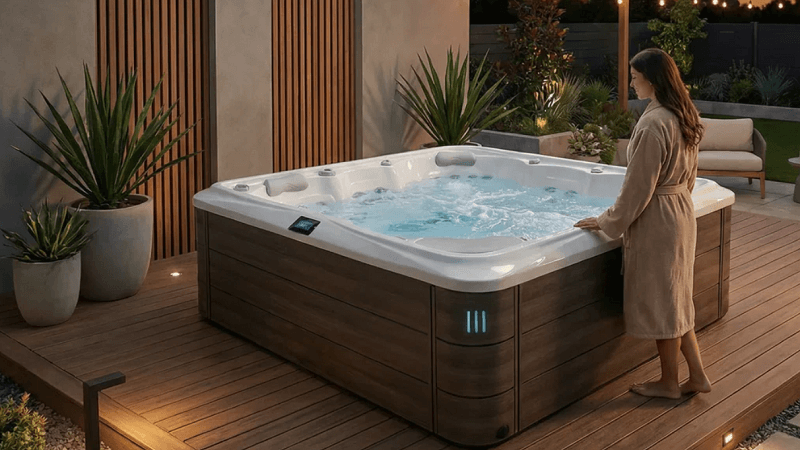
The outdoor hot tub has evolved considerably in the UK market over the past several years. What was once primarily associated with high-end properties or holiday rentals has become a serious home improvement consideration for a much broader range of homeowners, and the product range available now reflects that shift. From compact wood-fired tubs designed for modest gardens to larger electrically-heated spas with advanced filtration and massage jet systems, the market offers options across a wide spectrum of budgets, aesthetics, and intended uses.
The underlying driver of this growth is not simply aspiration. It is a genuine and well-supported shift in how people think about wellness, recovery, and the use of home space. The pandemic period accelerated changes that were already underway: more time at home, more attention paid to the quality of domestic environments, and a growing preference for wellness infrastructure that is accessible daily rather than visited occasionally. An outdoor hot tub sits directly within this pattern of thinking, offering a recovery and relaxation resource in the garden that can be used on any given evening rather than requiring a separate journey to a spa or leisure facility.
The Health Case for Regular Hot Water Immersion
The physical benefits of soaking in warm water are well-established and not dependent on any particular type or style of hot tub. Heat from the water causes blood vessels in the skin and peripheral tissue to dilate, improving circulation and increasing blood flow to muscle tissue. This response supports the removal of metabolic waste products that accumulate in muscles during exercise or physical work, which is why hot water immersion is consistently effective for reducing the perception of muscle soreness and physical tension.
The autonomic nervous system effect of sustained warmth is equally well-supported. Immersion in water at temperatures between 38 and 42 degrees Celsius activates the parasympathetic nervous system, shifting the body from the stress-response state characterised by elevated cortisol and heightened alertness into the rest-and-recovery state associated with genuine relaxation and repair. For people managing consistent high-stress conditions, this shift provides a biological reset that is qualitatively different from simply sitting still or watching television.
Sleep quality is a third documented benefit of regular hot tub use. The sequence of raising core body temperature through immersion and then cooling as the body exits the water and ambient temperature drops is associated with improved sleep onset and sleep quality, a result of the body’s natural thermoregulatory processes aligning with the sleep cycle. Regular evening soaking has been shown in multiple studies to produce measurable improvements in sleep quality over time.
Wooden Hot Tubs Versus Acrylic Spas
The most significant choice facing most first-time hot tub buyers is between the wooden tub format and the more conventional acrylic spa with integrated jets and filtration. Each has genuine advantages, and the right choice depends on what the buyer prioritises.
Acrylic and polymer spas are the dominant format in the mainstream market. They come with integrated hydrotherapy jets, programmable heating, LED lighting, and sophisticated water filtration systems that make maintenance relatively straightforward. The acrylic shell is durable and resistant to weathering. For buyers who want a product with minimum setup effort and maximum convenience features, an acrylic spa is a sensible choice.
Wooden hot tubs, including both wood-fired and electrically-heated variants, appeal to a different buyer. The aesthetic is natural, warm, and sympathetic to most garden environments in a way that the curved plastic forms of conventional spas often are not. The construction draws on a centuries-long tradition of timber vessel soaking from Nordic and Japanese cultures, and the material quality of well-built cedar or larch brings its own character to the experience. Suppliers like Royal Tubs offer a range of wooden hot tubs and garden saunas across different formats and heating options, which makes it practical to compare the various wooden tub configurations in one place before making a purchasing decision.
Wood-fired models add a further dimension. The process of lighting and managing the stove introduces a ritual quality to the hot tub experience that many owners come to value as part of the appeal rather than an inconvenience. The tub heats without electrical infrastructure, which gives more flexibility in positioning and removes the cost and visual impact of cable management across the garden.
Garden Design and Integration
Where a hot tub is positioned in a garden, and how it is integrated into the broader outdoor design, affects how well it is used and how much value it adds. A tub placed as an afterthought in a corner with no surrounding design consideration will be used less frequently and enjoyed less than one that is positioned deliberately, with complementary planting, appropriate privacy, adequate lighting, and comfortable seating nearby.
Privacy is particularly important. The relaxation benefit of a hot tub diminishes considerably if users feel visible to neighbours or overlooked from nearby windows. Structural planting, timber screens, pergolas, or garden room structures adjacent to the tub all contribute to creating the enclosed, private environment that supports genuine relaxation. Many homeowners find that investing in the setting of the hot tub delivers as much benefit as the tub itself, and treating the two as a single garden design project rather than separate purchases tends to produce better results.
Decking or paving around the tub provides a practical and visually cohesive surface for the area immediately surrounding it. Integrated lighting, from ground-level path lighting to string lights across a pergola or overhead structure, extends the usable hours of the space and creates the kind of atmosphere that transforms a functional outdoor installation into a genuinely inviting environment.
Running Costs and Maintenance
Ongoing running costs and maintenance requirements are among the most common practical questions from prospective buyers. For electrically-heated hot tubs, the primary ongoing cost is electricity, which varies based on the heater specification, the frequency of use, the ambient temperature, and how well the tub is insulated and covered when not in use. A quality cover makes a significant difference to heat retention and therefore to running costs.
Wood-fired tubs have minimal electricity costs but require wood fuel and the time to light and manage the stove. For buyers who enjoy the process, this is not a drawback. For buyers who want the tub ready at a preset time with no preparation, an electric model is the more practical option.
Water maintenance for wooden tubs follows the same general principles as for acrylic spas: regular pH testing and adjustment, appropriate sanitiser dosing, and periodic water changes. The absence of an automatic filtration system in most wooden tub designs means that water quality management is slightly more hands-on, but many owners find the process straightforward once they have established a routine.
Frequently Asked Questions
How long does a wooden hot tub last?
A well-built wooden hot tub made from quality timber such as cedar or larch and maintained consistently can last fifteen to twenty-five years. Budget models from lower-grade softwood have a shorter service life, often five to ten years depending on conditions and maintenance standards.
Does a hot tub require planning permission in the UK?
In most cases, a freestanding outdoor hot tub does not require planning permission. Fixed structures built to house or surround the tub, or installations in conservation areas, may require assessment with the local planning authority before proceeding.
How long does it take for a wood-fired hot tub to heat up?
Depending on the volume of water, the stove specification, and the ambient temperature, a wood-fired tub typically reaches comfortable soaking temperature within two to four hours of lighting the stove.
Can a hot tub be used in winter?
Yes. Wood-fired models in particular are popular for winter use, as the stove heats efficiently even in cold ambient temperatures. Many owners find winter sessions among the most enjoyable, with the contrast between the warm water and the cool surrounding air adding to the experience.
What is the best base for an outdoor hot tub?
A level, solid, load-bearing surface is essential. Concrete pads, paving slabs, and reinforced decking are all commonly used. The surface needs to be capable of supporting the combined weight of the tub, the water, and its users, which for a medium-sized wooden tub can be considerable.