
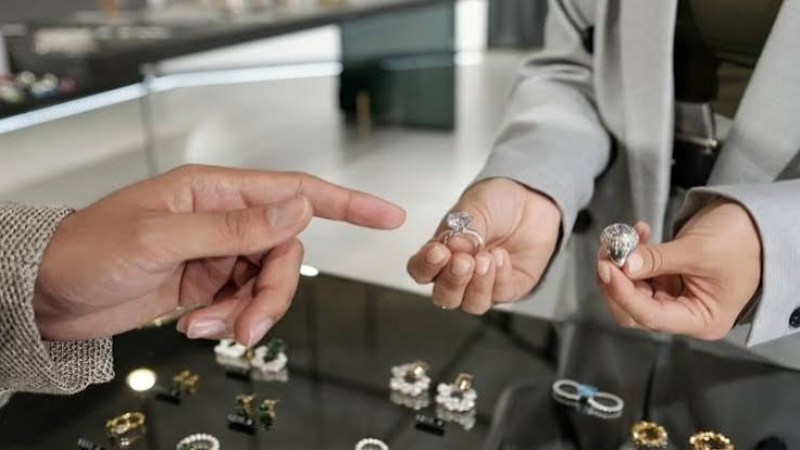
Arizona has quietly become one of the more interesting places to watch in the American diamond trade. A growing population, a maturing luxury retail scene, and shifting buyer preferences are all converging to reshape what the state’s diamond market looks like and where it goes from here.
The Demographics Driving Demand
Phoenix and Scottsdale have seen consistent population growth over the past decade, drawing younger professionals and retirees alike. These two groups have very different relationships with diamonds, and both are shaping the market in meaningful ways.
Younger buyers, particularly those in their late twenties and thirties, tend to approach diamond purchases with serious research behind them. They compare options across multiple retailers, ask pointed questions about origin and quality, and often arrive at a store already knowing the terminology. This buyer is selective. But when they commit, they commit with confidence.
Retirees relocating from higher-cost states bring established spending habits and a comfort with luxury goods. For this group, diamonds are often part of a broader lifestyle purchase, whether that means upgrading an anniversary piece or investing in estate jewelry. Their demand tends to be less trend-dependent and more focused on craftsmanship and provenance.
Together, these demographics are pushing Arizona jewelers to carry more diverse inventory and invest in staff education to meet buyers where they are.
Lab-Grown Diamonds and the Shifting Conversation
No discussion of the current diamond market is complete without addressing lab-grown stones. Arizona retailers have watched consumer interest climb steadily, and the conversation in showrooms has changed as a result.
How Retailers Are Responding
A few years ago, many traditional jewelers kept lab-grown options limited or positioned them as a budget alternative. That framing has largely dissolved. Today, retailers across the Phoenix metro are dedicating meaningful floor space to lab-grown inventory and training staff to present both options without bias. The goal is to let buyers decide based on their own values rather than steering them in one direction.
What Buyers Actually Want
The motivations behind lab-grown purchases in Arizona are varied. Some buyers prioritize price, using the savings to invest in a larger or higher-quality stone. Others are drawn to the ethical transparency that lab-grown diamonds offer. A smaller but vocal segment prefers the novelty of a newer technology. What ties these buyers together is that they have done their homework. They are not confused about what they are buying, and they respond poorly to being talked out of their choice.
This means Arizona jewelers who want to stay competitive need to be fluent in both markets, not just tolerant of one.
Estate and Pre-Owned Diamonds
Estate jewelry has always had a presence in Arizona, but it has grown more prominent in recent years. The resale and pre-owned segment is no longer a niche corner of the market. It sits alongside new inventory in reputable stores and attracts buyers across income levels.
Several factors explain this shift:
- Sustainability concerns have made pre-owned diamonds more appealing to environmentally conscious buyers.
- Estate pieces often carry unique design elements that mass-produced jewelry cannot replicate.
- Pre-owned diamonds offer strong value, particularly for buyers who prioritize carat weight over novelty.
- Arizona’s large retiree population generates a consistent supply of high-quality estate pieces entering the market.
- Younger buyers who discovered vintage aesthetics through fashion have carried that sensibility into their jewelry choices.
For retailers, building relationships with estate buyers and appraisers is no longer optional. It is a core part of staying relevant.
Luxury Tourism and Its Impact on Local Sales
Scottsdale draws a significant volume of luxury tourism, and that foot traffic has a real effect on the diamond market. Visitors shopping during resort stays or golf weekends represent a distinct buying profile. They are often browsing without a specific purchase in mind, which means the in-store experience carries more weight than it would for a local buyer on a mission.
Jewelers in tourist-heavy corridors have adapted by emphasizing presentation, storytelling, and the experience of the purchase itself. A well-told story about a stone’s origin or a designer’s craft can convert a casual browser into a buyer in a way that a price tag alone never will.
And this dynamic benefits Arizona’s independent jewelers and diamond specialists specifically, who can compete on experience and personal attention in ways that national chains often cannot match. The tourist market rewards distinctiveness. Local shops with a clear point of view tend to perform well in it.
Pricing Pressures and Market Realities
The diamond market nationally has faced pricing headwinds, and Arizona is not immune. The rapid expansion of lab-grown supply has put downward pressure on prices for those stones, which in turn affects how natural diamonds are positioned and priced at retail.
For consumers, this is largely good news. More competition and more options mean better value across the board. For retailers, it requires sharper inventory management and a clearer grasp of margin at every price point.
Independent jewelers in Arizona are navigating this by focusing on the segments where they have the most strength. Custom work, unique estate pieces, and high-touch service are areas where price pressure matters less, because the buyer is not comparing one diamond to another. They are buying an experience and a relationship.
Conclusion
Arizona’s diamond market is not heading toward simplicity. The next few years will bring more options, more informed buyers, and more pressure on retailers to differentiate. The jewelers who will thrive are the ones who understand their specific customer base, invest in expertise across both natural and lab-grown categories, and treat the pre-owned market as a genuine opportunity rather than an afterthought. Arizona rewards businesses willing to evolve. The diamond trade here is no exception.