
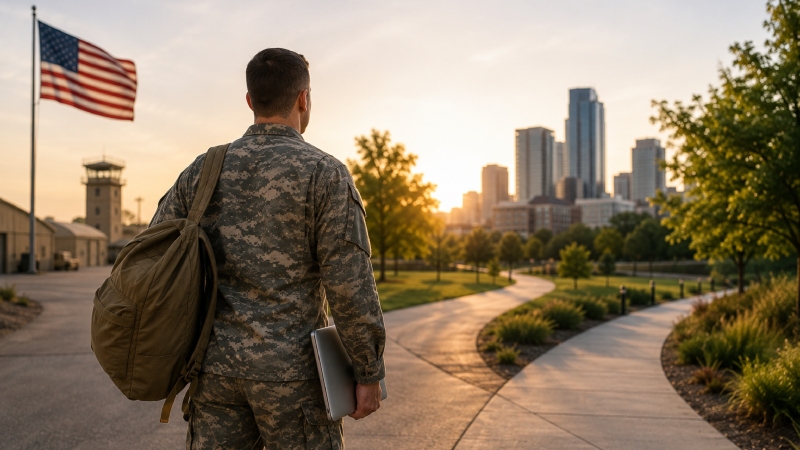
Transitioning from military service to civilian life is a profound life change that impacts every aspect of your daily routine. While the skills, discipline, and experiences gained during your service are invaluable, adapting to a new way of life requires thoughtful planning and a robust support system. This journey is both exciting and challenging, but with the right strategies, you can successfully navigate this professional and personal landscape.
1. Embrace the Power of Planning and Goal Setting
One of the most critical steps in a successful transition is creating a clear roadmap for your future. Before diving into the civilian job market, take the time to reflect on your military accomplishments, strengths, and personal interests. What do you want your post-military life to look like?
Set clear, achievable goals—both short-term and long-term—to provide a sense of direction and purpose. Use tools like digital planners or goal-setting worksheets to break down large objectives, such as “finding a career,” into manageable tasks like “updating a resume” or “attending one networking event”. Celebrating these small victories can help you stay motivated and patient with yourself as you adjust to new circumstances.
2. Translate Your Military Skills for Civilian Success
The leadership, teamwork, problem-solving, and adaptability you honed in the military are highly sought-after qualities in nearly every civilian industry. However, the challenge often lies in presenting these skills in a way that civilian employers can easily understand.
When updating your resume, focus on translating your military roles into civilian-friendly language. For example, managing a high-pressure unit can be framed as project management or operations oversight. During interviews, utilize the STAR method (Situation, Task, Action, Result) to clearly articulate your accomplishments and demonstrate how your military background makes you an asset to a civilian organization.
3. Pursue Education and Professional Development
The end of your military career is not the end of your personal growth. Continued education or professional certifications can significantly increase your marketability and help bridge the gap between military and civilian roles. Many veterans leverage the GI Bill to pursue higher education, vocational training, or technology certifications.
Investing in yourself demonstrates a commitment to lifelong learning and helps you stay engaged as you navigate your new life. Whether it is a traditional university degree or an online course, education opens doors to new career opportunities and builds confidence in your civilian identity.
4. Understand and Utilize Your Veteran Benefits
Veterans have access to a wide array of resources designed to facilitate a smoother transition, ranging from healthcare services to financial assistance. Familiarizing yourself with these programs is essential for your financial and personal well-being.
For those looking to secure a home, the VA home loan program offers valuable benefits such as lower interest rates and flexible lending requirements. When utilizing these housing benefits, you may find yourself working with professionals like VA appraisers in Utah to ensure your prospective home meets the necessary safety and value standards. Additionally, for veterans interested in entrepreneurship, SBA loans can provide the necessary funding and guidance to turn military experience into a successful business venture.
5. Build a Strong Support Network and Prioritize Well-Being
Transitioning to civilian life can sometimes feel isolating, as you move away from the structured camaraderie of military service. Building a civilian support network is crucial for emotional resilience. Reach out to family, friends, and fellow veterans who understand the unique challenges of this transition. Joining veteran-specific organizations or local community groups can provide practical advice and a vital sense of belonging.
Finally, prioritize your mental health. The shift in pace and culture can bring up a range of emotions, from excitement to anxiety. Seeking support through counseling or support groups is a sign of strength and a critical part of thriving after service. Establishing healthy habits, such as regular exercise and mindfulness, will further contribute to your overall well-being.
Conclusion
Transitioning to civilian life is a journey of both challenges and opportunities. By recognizing the magnitude of the shift, leveraging your unique skills, and building a strong support network, you can navigate this period with confidence. Remember that preparation and persistence are key to turning this new chapter into a successful and fulfilling phase of your professional life.