
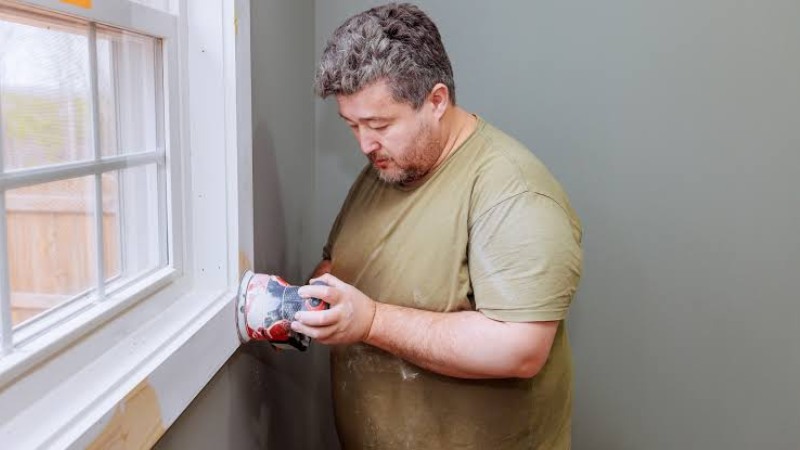
Purchasing a property with historic charm, unique architectural details, and established character is an exciting journey for many home buyers. However, structures built several decades ago often come with unique maintenance challenges and environmental hazards. Among these hazards, toxic heavy metal contamination remains one of the most critical issues to investigate before finalizing a purchase. Understanding how to identify, inspect, and manage these environmental hazards ensures that your dream property does not become a costly health liability.
Understanding the Hazards of Legacy Materials
Before federal bans were enacted in 1978, heavy toxic metals were routinely added to residential paint to increase durability, speed up drying times, and resist moisture. Over time, these coatings deteriorate, creating invisible hazards for future occupants.
How Toxins Accumulate in Living Spaces
As vintage paint ages, it chips, flakes, and turns into microscopic dust through normal wear and tear. High-friction areas such as windows, door frames, baseboards, and staircases are primary sources of toxic dust. When windows open and close, the grinding action crushes old paint layers into fine particles that settle onto floors, carpets, and window sills.
Health Risks for Household Members
Inhaling or swallowing toxic dust poses severe health risks, particularly for young children and pregnant women. Exposure can lead to developmental delays, neurological damage, behavioral challenges, and chronic health issues. Because the particles are invisible and odorless, a home can look immaculate while still harboring hazardous contamination levels.
Primary Areas to Inspect During Your Walkthrough
While an official assessment requires specialized equipment, buyers can spot physical red flags during initial property viewings to gauge potential risks.
Peeling, Chipping, or Alligatoring Paint
Examine the condition of interior and exterior surfaces closely. Look for paint that exhibits an alligatoring pattern, which resembles reptile scales, as this is a classic characteristic of old oil-based coatings. Pay close attention to porch railings, exterior trim, window sashes, and basement walls where moisture accelerates breakdown.
Original Plumbing Systems and Fixtures
Structures built before the mid-twentieth century frequently feature old plumbing lines, brass fixtures, and lead-soldered copper pipes. Toxic particles can leach into drinking water as pipes corrode over time. Inspect exposed piping in basements or utility rooms, taking note of dull gray metal pipes that scratch easily with a coin.
Taking Formal Inspection Steps Before Closing
Visual inspections provide useful context, but definitive proof requires systematic evaluation by trained professionals during your contingency period.
Utilizing Swab Kits for Preliminary Checks
Over-the-counter chemical swab kits can offer quick, basic feedback on accessible surfaces. While these kits help highlight immediate concerns, they are prone to false positives and cannot detect hazards buried underneath newer coats of latex paint. They should serve as a preliminary screening rather than a final verdict.
Hiring Certified Environmental Inspectors
A certified environmental professional uses specialized portable X-ray fluorescence analyzers to detect hidden toxic layers beneath modern paint without damaging the walls. Inspectors systematically evaluate every room, exterior surface, and soil area surrounding the foundation. Obtaining comprehensive lead testing in Salt Lake City or your local real estate market allows buyers to negotiate repairs, request financial credits, or walk away from a dangerous transaction before signing final closing documents.
Testing Soil and Drinking Water
Do not limit your evaluation strictly to interior walls. Rain runoff often carries exterior paint dust straight into the surrounding soil where children play. Request laboratory analysis of both soil samples from the perimeter of the foundation and cold water samples drawn directly from primary kitchen faucets.
Protecting Your Investment and Peace of Mind
Discovering environmental hazards during the home buying process does not automatically mean you must abandon the transaction. Many issues can be safely contained, encapsulated, or abated by qualified contractors. By identifying these risks early through rigorous inspection steps, you protect your family’s health, avoid surprise renovation costs, and ensure your investment remains safe and sound for decades to come.