
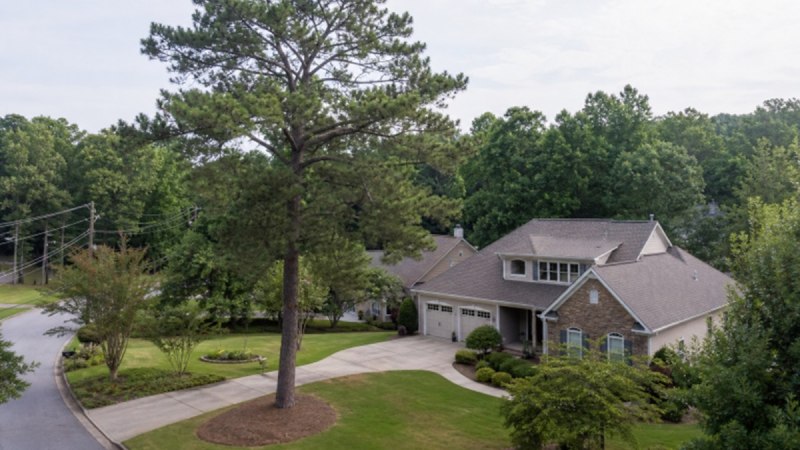
For many homeowners, tall pines are part of what makes Fayetteville, Georgia, neighborhoods feel established, shaded, and connected to the area’s wooded character. The concern arises when a pine stands close enough to a roofline, bedroom, garage, fence, driveway, or play area that even a single failed branch could cause significant damage. The right response is not automatic removal. It is an informed inspection from an expert tree service in Fayetteville. GA that can evaluate the tree, the property, and the potential consequences of a failure. A clear evaluation can also help homeowners prioritize concerns, especially when several mature trees are present on the same property. A healthy pine can stand near a house for many years without causing trouble. Still, a pine that appears healthy from the ground may have hidden root damage, a cracked trunk, decaying wood, storm-related stress, or branch defects high in the crown. Fayetteville homeowners should avoid climbing, topping, or heavily cutting a tall pine themselves. A professional review helps determine whether preservation, pruning, monitoring, or removal is the most responsible solution. This approach is particularly useful before major landscaping work, roof repairs, fence installation, or other projects that could affect roots or limit access around the tree.
Location: 770 Tree Guy | 238 1st Manassas Mile, Fayetteville, GA 30215, United States | (770) 629-8715
Why Tall Pines Matter Around Fayetteville Homes
Fayetteville properties commonly include mature trees, sloped lots, long driveways, landscaped beds, and homes built near wooded boundaries. These details affect tree risk. A tall pine in an open part of a large lot may have room to fail without striking anything. The same tree beside a two-story home, a detached garage, or a parked vehicle presents a very different situation. Even a smaller branch failure can be costly when it lands on shingles, gutters, vehicles, outdoor equipment, or a frequently used walkway. Georgia’s humid growing season, periods of saturated soil, thunderstorms, and high winds can all add stress to trees. Root systems may be affected by erosion, grading, trenching, compacted soil, or construction activity long before obvious symptoms appear in the crown. The University of Georgia Extension notes that tree hazards can be related to defects, injury, insects, disease, weather, and the presence of targets such as homes and vehicles. Changes around the base of the tree are often just as important as changes in the needles or upper branches, so homeowners should pay attention after heavy rain, excavation, or nearby soil disturbance.
Warning Signs to Watch For
Visual warning signs can help a homeowner know when to call for an inspection, but they do not replace an on-site assessment. Some conditions deserve prompt attention, especially when the pine is within reach of the house or another valuable structure. It is also helpful to note whether a condition is new, worsening, or associated with a recent storm, since sudden changes can be more concerning than long-standing features.
Conditions That May Indicate Higher Risk
- A new or worsening lean:Sudden movement can indicate root failure, soil movement, or a structural imbalance.
- Cracks or splits:Long vertical cracks in a trunk or major limb can weaken the tree’s load-bearing structure.
- Root lifting:Raised soil, fresh cracks in the ground, or exposed roots near the base may indicate instability.
- Dead or hanging limbs:Large dead branches over a roof, sidewalk, or driveway should not be ignored.
- Broken tops:A pine with storm damage in the upper crown can become unbalanced and may develop additional defects.
- Needle decline or insect activity:Thinning foliage, fading needles, pitch tubes, or boring dust may justify a closer look.
- Decay:Cavities, soft wood, mushrooms near the base, or areas of missing bark can signal internal deterioration.
Homeowners should avoid assuming that every brown needle or fallen pine cone signals failure. Pines naturally shed older needles, and seasonal debris is normal. The more important question is whether there is an unusual pattern of decline, substantial deadwood, a change in the tree’s position, or evidence that the trunk and roots are no longer supporting the crown as they should.
When Pruning May Be Enough
Pruning can be a practical option when a pine is generally healthy and stable but has deadwood, broken branches, poor clearance, or limbs contacting a structure. The purpose is to remove specific hazards while preserving as much of the tree’s natural structure as possible. Proper pruning is different from topping. Cutting away a large portion of a pine’s crown can create wounds, reduce vitality, and leave the tree with an unnatural structure. A better approach focuses on removing dead, damaged, or poorly positioned branches, improving roof or driveway clearance, and addressing selected defects that can be corrected without over-pruning. In many cases, routine clearance pruning can help prevent limbs from rubbing against roofing, obstructing access, or hanging over areas where family members and guests regularly walk.
When Pine Removal Is the Safer Choice
Removal may be recommended when a tall pine has severe decay, major root damage, extensive storm breakage, a dangerous lean, or structural defects that cannot be reasonably managed with pruning. It can also be appropriate when the likely failure zone includes an occupied house, a power line, a heavily used driveway, or another high-value target. The decision should consider more than the tree’s height. An assessment should look at the condition of the trunk, root system, crown, nearby structures, available work space, and whether a corrective pruning plan would truly reduce risk. Storm-damaged trees can be especially unpredictable, as UGA Extension explains in its guidance on assessing storm-damaged trees. When removal is selected, addressing the tree before it fails can provide more control over the work process and may reduce the chance of emergency damage to the property.
Removing Pines in Tight Spaces
Many Fayetteville pine removals cannot be completed by dropping the entire tree in one direction. A tree may stand between homes, behind a fence, beside a driveway, or above carefully maintained landscaping. In these settings, the crew may need to dismantle the pine in manageable sections, use controlled rigging, or employ crane assistance when site conditions call for it. A careful removal plan generally includes securing the work zone, identifying overhead and ground hazards, protecting lawns or driveways where possible, cutting sections in a controlled order, lowering or lifting material into a designated landing area, and completing debris cleanup. This method helps protect the home and makes difficult access situations more manageable. Access considerations may include gate width, the location of septic components, slope, underground utilities, and whether equipment can reach the work area without damaging sensitive landscaping.
What to Do After Storm Damage
After severe wind or thunderstorms, inspect trees only from a safe distance. Keep people and pets away from any pine that is leaning, suspended in another tree, resting on a roof, or touching electrical equipment. Do not pull on hanging limbs, operate a chainsaw beneath broken branches, or approach a line that may be energized. Take photographs from a safe location for insurance documentation, then arrange a professional evaluation. Even if the pine remains standing after a storm, broken tops, loosened roots, and hidden cracks may need attention before the next weather event. If a tree is in contact with a utility line, contact the utility provider or emergency services as appropriate and keep the area clear until trained personnel determine the next steps.
A Practical Tree Care Process for Fayetteville Properties
- Request an inspection:Explain where the pine is located and whether there has been storm damage, leaning, or visible decline.
- Review the full site:The assessment should consider tree health, structural condition, roots, nearby targets, and equipment access.
- Discuss the options:Possible recommendations may include monitoring, pruning, removal, stump grinding, or treatment.
- Plan for property protection:The work method should account for lawns, landscaping, structures, driveways, and utilities.
- Complete cleanup and follow-up:After the pine is addressed, discuss debris removal, stump options, and care for remaining trees.
Asking questions during the planning stage can help set clear expectations. Homeowners may want to confirm how crews will handle access, what debris they will remove, whether stump grinding is included or optional, and how the crew will coordinate around gates, vehicles, pets, and landscaping. Good communication becomes especially valuable when crews must work near a home or along a shared property boundary.
Frequently Asked Questions
Is a tall pine near my house automatically dangerous?
No. Height and proximity alone do not prove a pine is unsafe. However, they increase the importance of inspecting the tree’s roots, trunk, crown, lean, and potential target zone. A stable, healthy tree may only need occasional monitoring and clearance pruning.
Can I cut dead branches off a tall pine myself?
Small, reachable branches may be manageable for some homeowners, but large limbs or elevated work near a home are hazardous. Do not climb a pine or use equipment near power lines. If removing a branch requires a ladder, using a chainsaw overhead, or working above the roofline, professional help is generally the safer option.
Should a pine be removed after losing branches in a storm?
Not always. The amount of damage, the location of the breakage, the tree’s remaining structure, and the targets below it all matter. A professional assessment is the safest way to make a decision. Some trees can be pruned and monitored, while others may have damage that makes removal the more dependable long-term choice.
Conclusion
Tall pines are valuable parts of Fayetteville landscapes, but they require proper care and regular evaluation to remain safe around homes and properties. Whether the solution is pruning, monitoring, or removal, a professional tree assessment helps homeowners make informed decisions based on the tree’s condition and surroundings. By addressing warning signs early and relying on experienced tree-care professionals, Fayetteville residents can protect their homes while preserving healthy trees whenever possible.