
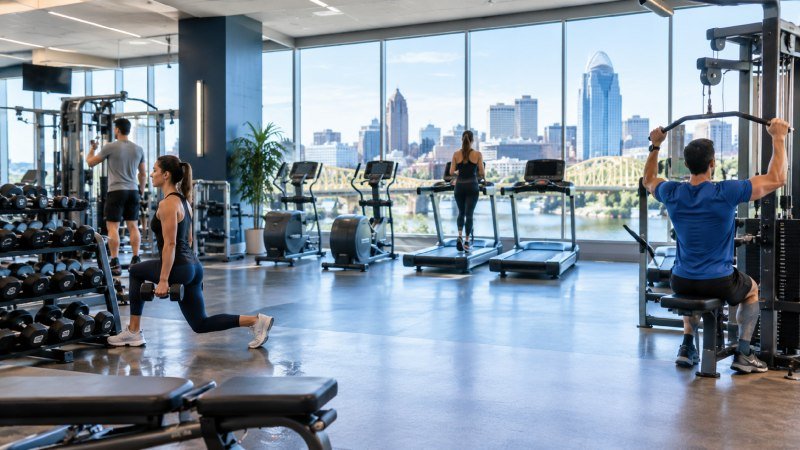
Finding the right gym is an important decision, especially when there are so many fitness facilities offering different experiences, membership options, and workout environments. For anyone exploring gyms in Cincinnati, understanding these differences can make the process easier and help prevent signing up for a membership that does not fit their goals.
Some gyms focus on affordable access to equipment, while others emphasize personal training, structured classes, or specialized fitness programs. Even facilities with similar equipment can offer very different experiences when it comes to staff support, community, cleanliness, and overall atmosphere.
Before committing to a membership, it helps to understand what separates one type of gym from another and which features are most important for your lifestyle.
The Different Types of Gyms in Cincinnati
Cincinnati offers several categories of fitness facilities, each designed to serve different preferences, experience levels, and budgets.
Traditional Commercial Gyms
Traditional commercial gyms are among the most recognizable fitness facilities. They typically provide a variety of cardio machines, weightlifting equipment, free weights, and designated workout areas.
These facilities often appeal to individuals who prefer to exercise independently and create their own workout schedules.
Common features include:
- Cardio equipment such as treadmills, stationary bikes, and ellipticals.
- Strength training machines and free weights.
- Open workout areas.
- Multiple membership tiers.
- Extended operating hours at some locations.
Commercial gyms can be a practical choice for people who already understand how to structure their workouts or prefer flexibility over direct instruction.
However, the amount of personalized attention available may be limited unless members purchase additional training services.
Personal Training Gyms
Personal training gyms place a greater emphasis on individual instruction, accountability, and structured exercise programs.
Instead of simply providing access to equipment, these facilities typically focus on helping members follow a workout plan developed around their goals, experience, and physical capabilities.
Personal training gyms may offer private sessions, semi-private training, or small-group instruction.
These facilities are particularly appealing to individuals who want professional guidance, are new to exercise, or have struggled to maintain consistency.
Although personal training gyms generally cost more than basic commercial gyms, their memberships or training packages may include coaching, progress assessments, and ongoing program adjustments.
Boutique Fitness Studios
Boutique fitness studios specialize in particular workout styles or training methods.
Examples include indoor cycling, Pilates, yoga, strength-based group training, and high-intensity interval training.
Unlike traditional gyms, boutique studios may focus primarily on scheduled classes rather than providing open access to workout equipment.
The main advantages often include instructor-led sessions, a consistent class structure, and a community of participants who enjoy similar activities.
However, class schedules can limit flexibility, and members may need another facility if they want access to equipment outside their chosen training format.
Community Recreation Centers
Community recreation centers and nonprofit fitness facilities offer another option for Cincinnati residents.
These locations may combine exercise equipment with swimming pools, recreational sports, group classes, and family-oriented activities.
They can be particularly useful for households looking for multiple recreational opportunities under one membership.
Equipment selection, operating hours, and available programs vary considerably between locations, making an in-person visit important.
How Gym Membership Prices Differ in Cincinnati
Membership pricing is often one of the first differences people notice when comparing gyms.
However, the monthly cost does not always reflect the complete value of a facility.
A lower-cost gym may provide everything someone needs to exercise independently, while a higher-priced facility may include services that help members stay accountable and progress toward specific goals.
The following ranges are general budgeting estimates, not verified quotes from individual Cincinnati gyms.
| Gym type | Illustrative monthly cost |
| Budget commercial gym | $10–$30 |
| Full-service commercial gym | $30–$100+ |
| Community recreation center | $25–$80+ |
| Boutique fitness studio | $80–$200+ |
| Personal training gym | $150–$500+ |
Personal training costs can vary significantly depending on the number of sessions, group size, and services included. Some facilities charge separately for coaching rather than offering a standard monthly membership.
When comparing prices, prospective members should also ask about enrollment fees, annual charges, cancellation policies, and whether classes or coaching require additional payments.
The most affordable membership is not necessarily the best value if the facility lacks the services needed to use it consistently.
Differences in Equipment and Workout Spaces
Equipment availability can significantly influence the experience of joining a gym.
Some Cincinnati gyms invest heavily in cardio machines and selectorized strength equipment, while others prioritize free weights, functional training spaces, or specialized exercise stations.
A person interested in general cardiovascular health may only need basic cardio equipment and a modest strength training area.
Someone focused on building strength may want access to squat racks, barbells, adjustable benches, and a variety of resistance equipment.
When touring a facility, consider whether the equipment matches your intended workouts.
It is also important to observe how equipment is arranged. Crowded layouts, limited workout space, and long waits for popular machines can make exercise less convenient.
Visiting during the hours you would normally work out provides a more accurate picture of the gym’s everyday environment.
Personal Training and Coaching Availability
One of the most important differences between gyms in Cincinnati is the level of professional guidance available.
Some gyms provide basic equipment orientations or introductory sessions, while others offer ongoing coaching as a central part of their membership experience.
At a traditional gym, members may be responsible for selecting exercises, determining appropriate resistance levels, and tracking their progress.
At a coaching-focused facility, trainers may develop exercise programs, monitor technique, and make adjustments based on performance.
For beginners, this additional structure can help build confidence and establish a consistent routine.
Experienced gym members may prefer independent training, particularly if they already have an established program.
Neither approach is universally better. The right choice depends on how much support a person needs to make meaningful progress.
Gym Atmosphere and Community Can Make a Difference
The atmosphere inside a gym can influence how comfortable someone feels exercising there.
Some facilities have a quiet, independent environment where members primarily focus on their individual workouts.
Others emphasize community interaction, group participation, and regular communication between members and instructors.
For someone new to exercise, a welcoming environment can make the transition into a fitness routine less intimidating.
When visiting gyms in Cincinnati, observe how staff interact with members and whether people appear comfortable asking questions.
Consider whether the environment matches your personality and preferences. Someone who enjoys working independently may prefer a traditional gym, while another person may benefit from the encouragement of a smaller training community.
A supportive atmosphere does not guarantee results, but it can make regular attendance more enjoyable.
Differences in Group Fitness Classes
Group fitness classes are another important consideration when evaluating Cincinnati gyms.
Some facilities offer extensive weekly schedules, while others provide only a few classes or specialize in one particular workout format.
Classes may include strength training, cardiovascular conditioning, cycling, yoga, Pilates, and mobility-focused exercise.
For example, the YMCA of Greater Cincinnati operates facilities offering combinations of fitness centers, group exercise spaces, swimming pools, and other recreational amenities. Available features vary by branch.
YMCA of Greater Cincinnati
+1
Group classes can help members follow a consistent schedule without having to plan every workout independently.
However, prospective members should ask about class sizes, instructor qualifications, reservation requirements, and whether classes are included in their membership.
Someone who enjoys variety may appreciate a gym with multiple class options. Someone with specific training objectives may prefer a smaller program offering consistent instruction and measurable progression.
Location and Convenience Matter More Than Many People Expect
Cincinnati’s geography makes location an especially important factor when selecting a gym.
Someone living in Oakley or Hyde Park may prefer a facility close to home, while a person commuting from West Chester, Mason, or Blue Ash may prioritize a gym near their workplace.
Similarly, downtown Cincinnati residents may want a facility within walking distance rather than one requiring a drive during busy traffic periods.
The convenience of a gym affects how easily exercise fits into an established routine.
Consider several practical factors:
- Travel time from home or work.
- Parking availability and potential costs.
- Morning, evening, and weekend operating hours.
- Traffic during normal workout times.
- Access to showers and changing facilities.
- Availability of childcare when needed.
A gym with excellent equipment may not be the right choice if getting there regularly creates unnecessary scheduling challenges.
Choosing a convenient location can remove barriers that might otherwise interfere with consistency.
Cleanliness, Maintenance, and Facility Standards
Cleanliness should be evaluated at every gym, regardless of membership price.
Workout equipment is shared by numerous people throughout the day, making routine cleaning and maintenance important.
During a facility tour, pay attention to the condition of exercise machines, locker rooms, restrooms, and common areas.
Look for accessible cleaning supplies and equipment that appears properly maintained.
It is also reasonable to ask how frequently machines are inspected and how the facility handles broken equipment.
A clean, organized gym demonstrates attention to the everyday member experience.
However, prospective members should avoid assuming that more expensive gyms automatically maintain higher standards. Cleanliness and maintenance should be evaluated individually.
How Accountability Differs Between Gym Types
Accountability is one of the less obvious differences between fitness facilities.
At a traditional gym, members generally determine when to exercise and whether to follow their planned routines.
This flexibility works well for people who are comfortable managing their own schedules.
At personal training gyms and some boutique studios, scheduled sessions create additional structure.
Trainers or instructors may track attendance, review performance, and encourage members to maintain consistent participation.
For individuals who have previously purchased gym memberships but rarely used them, this added accountability may be worth considering.
Consistency is especially important because exercise benefits develop through repeated participation over time.
A gym that helps someone establish sustainable habits may provide greater long-term value than a facility offering more amenities that rarely get used.
What to Expect During a Gym Tour in Cincinnati
Visiting a gym before purchasing a membership is one of the most effective ways to evaluate whether it meets your expectations.
A typical tour may include a walkthrough of the workout floor, an explanation of available services, and a discussion of membership options.
Some gyms also offer trial workouts, guest passes, or introductory sessions.
During your visit, ask the following questions:
- What is included in the monthly membership price?
- Are there enrollment fees, annual charges, or cancellation penalties?
- Does the gym offer personal training or structured workout programs?
- Are group fitness classes included or priced separately?
- How busy is the facility during my preferred workout hours?
- Can I try the gym before committing to a membership?
- Are there beginner-friendly programs or equipment orientations?
- How does the gym track progress or help members maintain consistency?
- What are the operating hours, including weekends and holidays?
- What happens if I need to pause or cancel my membership?
The answers can reveal meaningful differences between facilities that initially appear similar.
How to Choose the Right Cincinnati Gym Based on Your Goals
Different fitness goals may require different levels of equipment, instruction, and support.
Someone primarily interested in maintaining general fitness may have different priorities than someone preparing for an athletic competition or beginning a structured strength training program.
| Fitness goal | Gym features to prioritize |
| General fitness | Convenient hours, cardio equipment, and strength machines |
| Building strength | Free weights, resistance equipment, and progressive training options |
| Weight management | Sustainable workout options, coaching, and accountability |
| Beginner fitness | Equipment instruction, welcoming staff, and structured programs |
| Athletic performance | Specialized equipment and qualified performance coaching |
| Social motivation | Group classes and a supportive member community |
| Independent workouts | Flexible access and a well-equipped exercise floor |
These categories are not exclusive. Many facilities offer services that support several different goals.
The objective is to find a gym where the available resources align with the activities you are most likely to perform consistently.
Common Mistakes to Avoid When Comparing Gyms
One of the most common mistakes is choosing a gym based entirely on membership price.
While affordability matters, selecting a facility without considering equipment, location, or support can lead to dissatisfaction.
Another mistake is joining without visiting during normal workout hours. A gym that appears spacious during a midday tour may feel significantly different during the evening rush.
Prospective members should also avoid assuming that every gym provides the same level of training assistance.
Some facilities offer comprehensive coaching programs, while others provide equipment access with minimal instruction.
Finally, it is important to understand membership agreements before signing.
Cancellation procedures, contract lengths, automatic renewals, and additional fees can vary between gyms.
Taking time to review these details can prevent unnecessary complications later.
Frequently Asked Questions About Gyms in Cincinnati
What is the biggest difference between gyms in Cincinnati?
The biggest differences typically involve membership pricing, available equipment, coaching services, workout environments, and amenities. Traditional gyms often emphasize independent exercise, while personal training gyms and boutique studios provide more structured instruction.
Are personal training gyms better than regular gyms?
Personal training gyms may be better for people who want individualized guidance, accountability, and structured workouts. Regular gyms may be more appropriate for individuals who prefer exercising independently and want greater scheduling flexibility.
Should beginners join a commercial gym or a personal training gym?
Both can be suitable for beginners. Commercial gyms offer flexible access to equipment, while personal training gyms provide more direct instruction. Beginners should consider their confidence, budget, experience, and preferred level of support.
Do all Cincinnati gyms offer group fitness classes?
No. Some gyms provide extensive group fitness schedules, while others focus primarily on independent workouts or personal training. Class availability and membership inclusions should be confirmed before joining.
How many gyms should someone visit before choosing a membership?
Visiting two or three facilities is a practical starting point. Comparing different gym types can help prospective members understand differences in atmosphere, equipment, pricing, and coaching.
Is a more expensive gym worth the additional cost?
A higher-priced gym may be worthwhile when the additional services directly support someone’s fitness goals. However, a lower-cost gym can provide excellent value for individuals who need only basic equipment and convenient access.
Final Thoughts: Finding a Gym in Cincinnati That Fits Your Lifestyle
There is no single gym that works best for every Cincinnati resident.
Traditional commercial gyms, boutique studios, recreation centers, and personal training facilities all serve different needs.
The most important considerations are how the gym fits your schedule, whether its equipment and services support your goals, and whether the environment encourages consistent participation.
Before committing to a membership, compare facilities, ask detailed questions, and experience the workout environment firsthand.
A well-chosen gym should provide more than access to exercise equipment. It should offer a practical environment where you can build confidence, develop sustainable routines, and continue making progress over time.