
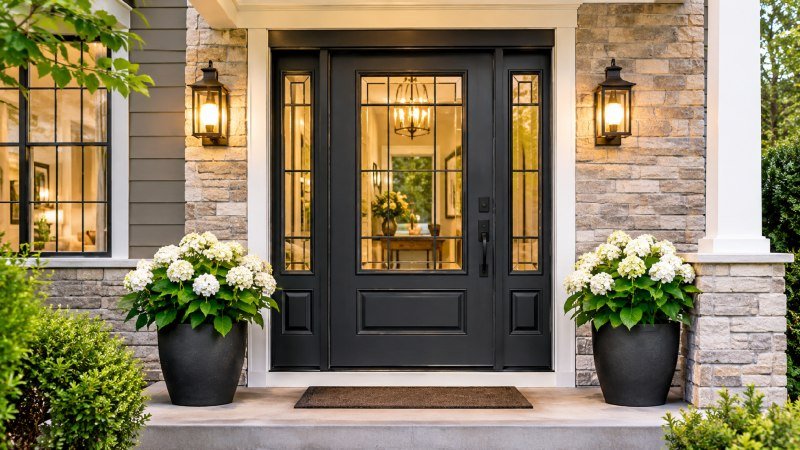
Why Front Door Selection Requires More Than Good Looks
A front door shapes the first impression of a home, but it also affects comfort, privacy, security, and everyday convenience. Whether you are comparing simple panel doors, glass-heavy designs, or decorative iron entry doors, the strongest choice considers far more than appearance alone.
A door that looks impressive in a showroom can still be a poor fit for a particular house. Direct afternoon sun may make a dark finish harder to maintain, clear glass can expose the interior to passersby, and a poorly sealed threshold can allow drafts and moisture into the entry. A thoughtful selection process balances curb appeal with the conditions the door will face every day.
The front entry is also a working part of the exterior wall. It must open smoothly, lock reliably, resist weather, and create a reasonable barrier between indoor and outdoor temperatures. Choosing the right configuration before ordering can help avoid expensive adjustments later.
Start With The Home’s Architecture
Begin by looking at the home as a whole. Door proportions, panel layouts, glass patterns, trim, and finishes should complement the exterior rather than compete with it. Traditional homes often suit symmetrical panels and softer ornamental details. Modern homes frequently benefit from clean lines, simple glazing patterns, and restrained hardware. Transitional homes can combine classic finishes with contemporary glass or metal accents.
Scale matters as much as style. A tall entry may support a transom, while a wide façade may look balanced with sidelites or double doors. On a smaller porch, however, an oversized door or large pull handle can feel crowded and may interfere with railings, furniture, or the normal path of travel. Review finished samples outdoors near the siding, stone, brick, and roof color, as sunlight can change how materials appear.
Decide How Much Privacy The Entry Needs
The right amount of glass depends on where the house sits. A front door facing a quiet, distant street may offer more visibility than one near a public sidewalk or a neighboring home. Clear glass provides daylight and a direct view outside, while textured, patterned, frosted, or obscure glass can admit light while limiting views into the home.
Photorealistic macro close-up of textured privacy glass set into a front door, with fine frosted patterns catching soft natural daylight and a softly blurred entryway in the background.
Privacy does not always require eliminating glass. High glass panels, obscured sidelites, interior shades, landscaping, and well-planned exterior lighting can help make an entry feel more protected without turning it into a dark space. If the glass is close to the lockset, consider how that layout affects access to the lock and whether the overall door system provides the desired level of security.
Compare Energy And Comfort Features
Doors can be weak points in the building envelope, especially when they contain large glazed sections or have worn seals. When comparing products, look beyond broad marketing language and review the performance information supplied for the complete door or glazing system.
- U-factor describes how readily heat moves through a product. Lower values generally indicate better insulating performance.
- The solar heat gain coefficient indicates how much solar heat passes through the glazing.
- Visible transmittance describes the amount of visible light that passes through glass.
- Air leakage occurs when air passes through gaps in the assembly.
The most suitable ratings depend on climate, orientation, shade, and whether the home has larger heating or cooling demands. The Department of Energy’s energy-efficient door guidance can help homeowners understand how climate-specific factors affect window and door decisions.
Choose Materials Based On Exposure And Maintenance
Wood, fiberglass, steel, and metal-accented systems each involve different trade-offs. Wood can offer warmth and design flexibility but may need more finish maintenance in harsh exposure. Fiberglass is often chosen for its durability and lower maintenance needs. Steel can provide a strong, clean appearance, though scratches and damaged coatings should be addressed promptly. Decorative metal details may require periodic cleaning and attention to finish condition, particularly in wet, coastal, or highly humid locations.
Consider direct sunlight, rain, snow, wind, salt exposure, and temperature swings before choosing a finish. A porch roof, awning, or substantial overhang can reduce the amount of direct weather reaching the door. Seasonal cleaning, inspection, and prompt touch-ups can help preserve the appearance and operation of an exterior entry.
Think About Security Without Losing Natural Light
Security depends on the whole entry system, not only the lock. The door slab, frame, hinges, strike plate, fasteners, glazing, and surrounding wall should work together. A strong lock cannot fully compensate for a loose frame, weak anchoring, or a deteriorated jamb.
Ask practical questions before purchasing: Is the frame in good condition? Does an outward-swinging door need protected hinges? Is the hardware comfortable to operate and appropriate for the door’s weight? Will lighting improve visibility around the entry? Smart locks can add convenience, but they still rely on solid construction and correct installation.
Measure The Opening Before Choosing A Door
- Measure the rough opening width and height.
- Confirm wall thickness and required jamb depth.
- Check swing direction, clearance, and hardware placement.
- Inspect the sill, subfloor, trim, and surrounding wall for moisture damage or movement.
- Determine whether a replacement slab or a complete prehung unit is more appropriate.
- Confirm that delivery and installation access will accommodate the selected door.
An attractive replacement can still create problems if the opening is out of square, the threshold lacks support, or the existing frame has hidden rot or air leaks. Replacing the complete unit is often the more dependable option when the frame is damaged, warped, or poorly sealed.
Give Installation The Same Attention As The Door
Correct installation affects weather resistance, smooth operation, and long-term durability. Proper shimming, flashing, threshold support, insulation, and exterior sealant help control water and air movement around the opening. Uneven gaps, sticking, drafts, and water intrusion can all result from overlooking these details.
Performance labels are useful for comparing products’ tested characteristics, and NFRC performance labels explain the ratings commonly used for windows, doors, and skylights. Still, a label does not replace careful measurement, sound preparation, and correct installation in the home.
Common Mistakes To Avoid
- Choosing only by showroom appearance.
- Ignoring direct sun and weather exposure.
- Selecting clear glass where privacy is important.
- Replacing only the slab when the frame is deteriorated.
- Ordering before measuring the opening carefully.
- Assuming every finish has identical maintenance needs.
- Overlooking weatherstripping and threshold design.
- Selecting hardware that is oversized or awkward for daily use.
Common Questions
What Is The Best Front Door Material?
There is no single best material for every property. The right choice depends on climate, exposure, maintenance preferences, architectural style, desired glazing, and budget.
Does More Glass Make A Door Less Energy Efficient?
More glazing can affect heat transfer and solar gain, but insulated glass, suitable coatings, well-designed frames, and proper installation can improve overall performance.
How Can A Front Door Add Privacy Without Making The Entry Dark?
Textured glass, obscured sidelites, higher glass placement, shades, landscaping, and layered lighting can maintain daylight while reducing direct views into the home.
Conclusion: Choose A Door That Works Every Day
A front door should do more than create a strong first impression. It should fit the home, provide the desired level of privacy, handle local weather, operate smoothly, and support indoor comfort. By evaluating the frame, glass, hardware, threshold, finish, and installation together, homeowners can choose an entry that remains attractive and dependable long after the upgrade is complete.