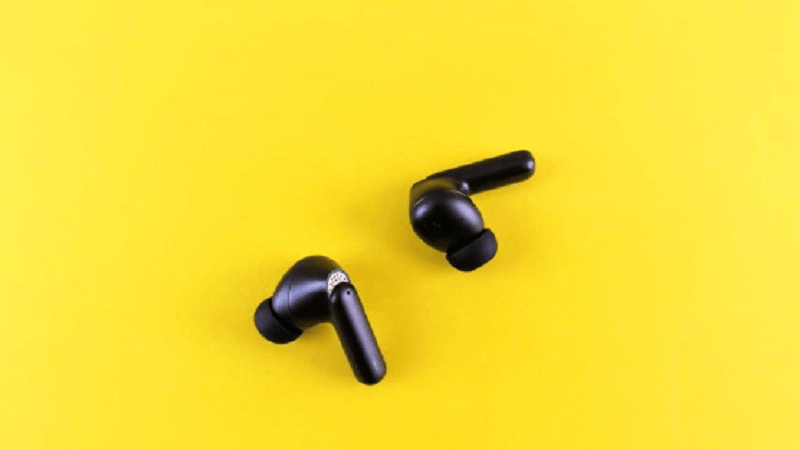
In recent years, the world of audio technology has undergone a revolutionary change with the introduction and rapid advancement of wireless earbuds. As an essential accessory in today’s technology-driven lifestyle, these little devices have evolved beyond just an audio output device to become an integral part of our everyday lives. Major technology companies continually push the boundaries, offering more sophisticated options, exceptional sound quality, and advanced features such as noise cancellation and prolonged battery life. Their advent marks a significant leap in personal audio technology, delivering a portable, convenient, and high-quality listening experience. For a closer look at some top models and specifications, you might check out brands like wireless earbuds.
The Evolution of Earbuds
The journey of earbuds from wired to wireless was remarkable, not just in technological advancement but in cultural transition. Initially introduced as a companion to portable music players, the early wired models provided mobility but were often plagued by tangled cords. Fast-forward to today; wireless options have eradicated this inconvenience, enabling users to effortlessly pair them with smartphones, tablets, and even smartwatches.
Technological Advancements
The cutting-edge features of modern wireless earbuds underscore the progress in this category. From Bluetooth technology improvements, allowing stable connections and reduced latency, to enhanced audio quality rivalling traditional wired headphones, the features are impressive. Noise cancellation abilities segregate unwanted ambient noises, ensuring an uninterrupted audio experience. Active noise cancellation (ANC) technology employs microphones and speakers to either isolate or eliminate environmental sounds.
Another paramount progression has been in battery life and charging capabilities. Most models boast playtimes ranging from 4 to 8 hours on a single charge, with compact charging cases providing multiple recharges, extending the usage time significantly.
Design and Comfort
Design and comfort remain pivotal in ensuring user satisfaction. Unlike their predecessors, present-day models are ergonomically designed, focusing on comfort and secure fit, crucial for users engaged in sports or prolonged listening sessions. Custom-fit ear tips, sweat and water resistance, and sleek minimalistic designs appeal to a wide demographic.
Integration with Smart Technology
The integration of smart technology is a hallmark of wireless earbuds. Many models come equipped with voice assistant compatibility, enabling hands-free control over various functions such as controlling the music volume, receiving calls, or querying weather updates. Users can enjoy seamless integration with virtual assistants like Google Assistant, Alexa, or Siri, further enhancing the functionality beyond just an audio device.
Health Monitoring Features
The trajectory of innovation sees an exciting future where wireless earbuds intersect with health technology. Some models have integrated biometric functions capable of measuring heart rates and monitoring workout activities. This added dimension transcends the traditional role of the device, fostering a more engaged, health-conscious lifestyle.
Market Trends and Consumer Preferences
The rapid proliferation of these devices is parallel to the ever-growing consumer demand. As an accessory that complements wireless technology seamlessly, their appeal lies in mobility and convenience without compromising sound quality. Today’s consumers have exhibited a preference for models that blend technology with aesthetic beauty, offering a unique amalgam of form and function.
The Rise of Collaborations and Partnerships
A new trend in this sphere involves high-profile collaborations between technology companies and fashion labels, resulting in aesthetically pleasing limited edition releases that cater to trend-conscious individuals. Such partnerships have propelled earbuds beyond a utilitarian product to a fashionable accessory.
Challenges and Considerations
Despite their numerous advantages, wireless earbuds are not devoid of challenges. Concerns regarding sustainability, electronic waste, and the non-replaceable battery life are prominent. As frequencies are often specific to the model, interoperability issues can also arise, necessitating users to stay updated with technology changes to optimise their usage experience.
Health and Safety Concerns
Questions regarding health impacts from prolonged use due to proximity to the ear and potential hearing damage have been raised. Users are advised to maintain moderate volumes and limit usage duration to mitigate such concerns.
Future Prospects
As technology continues to forge ahead, the future prospects for wireless earbuds are expansive. Emerging technologies, such as augmented reality (AR) and the potential inclusion of artificial intelligence (AI), hint at the possibility of more immersive audio experiences. Additionally, developments in battery technology, focusing on longer life and faster charging, pave the way for continued innovation in this sector.
Environmental Initiatives
Environmental awareness is prompting brands to adopt sustainable practices and materials for production. Recycling programmes and the incorporation of eco-friendly materials in manufacturing processes are gradually becoming standard, showcasing a commitment to reducing the environmental footprint.
The Role of Wireless Earbuds in Daily Life
Wireless earbuds have transcended the realm of mere audio gadgets to become an essential part of modern-day living. Catering to various aspects of work, fitness, and leisure, they serve multiple purposes from enabling hands-free calls to functioning as a source of entertainment or workout motivation. Their portable nature allows them to adapt to different environments, ensuring users remain connected and entertained on the move.
Educational Use
In the academic domain, these devices support online learning and virtual meetings, offering students and professionals a reliable option for engaging with digital content. Their contribution to enabling flexible, remote interactions cannot be understated, increasingly vital in an interconnected, digital world.
Conclusion
There is little doubt that wireless earbuds have reshaped how we interact with audio technology. As they continue to evolve, their role in personal technology will likely expand, integrating more seamlessly with our daily activities and digital ecosystems. They stand as testimonials to the incredible strides made in technology, enhancing not only the way we experience sound but also our interaction with the ever-evolving digital landscape.