
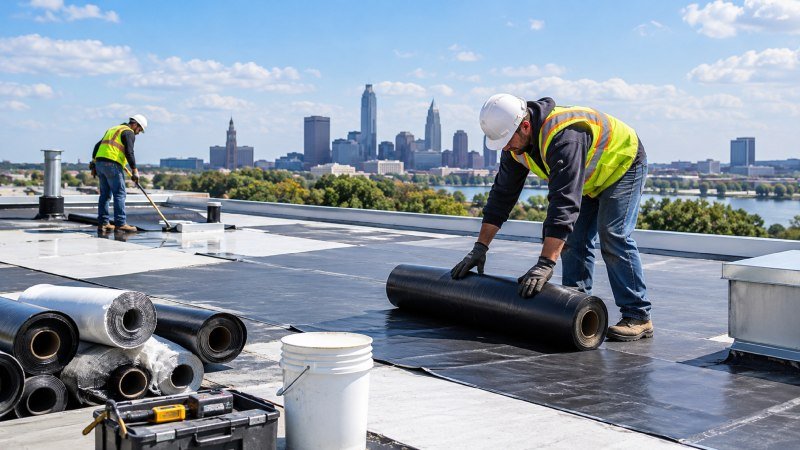
If you own or manage a commercial building in Northeast Ohio, understanding roofing costs can help you plan your budget and avoid unexpected expenses. The price depends on several factors, including roof size, materials, labor, and the condition of the existing structure. Getting a commercial roof estimate is a smart first step because it helps you understand the work your building needs before you make a decision. Whether you manage a warehouse, office, retail store, or industrial property, knowing what affects the total price makes it easier to choose the right roofing solution.
What Affects Commercial Roofing Costs in Northeast Ohio?
Commercial roofing projects do not all cost the same. A small office building may need only a simple repair, while a large warehouse might require a complete roof replacement. Therefore, property owners should look at the full scope of work before setting a budget.
Here are the main factors that influence the final price.
1. Roof Size and Square Footage
The size of your roof is one of the biggest factors in roofing costs. Contractors usually measure commercial roofs in square feet or roofing squares. One roofing square covers 100 square feet.
In general, larger roofs require more materials and labor. However, the price per square foot may change depending on the project. For example, a large, open roof may be easier to work on than a smaller roof with many vents, pipes, and other obstacles.
Before requesting an estimate, try to find your building’s roof measurements. These figures can help contractors prepare a more accurate quote.
2. Roofing Material and Membrane Type
The roofing system you choose also affects the total cost. Commercial buildings use different materials based on their design, drainage needs, and daily use.
Common options include:
TPO roofing: This single-ply membrane is popular for many flat and low-slope roofs. It has reflective properties that can help reduce heat entering the building during warm weather.
EPDM roofing: This rubber-based membrane offers flexibility and can perform well in changing weather conditions. Many property owners consider it for commercial buildings that need a durable flat roofing system.
PVC roofing: This membrane provides strong resistance to certain chemicals and moisture. It may suit buildings where roof exposure or daily operations create special demands.
Metal roofing: Metal systems can last for many years when installed and maintained correctly. However, the total price depends on the panel type, roof design, and installation requirements.
Each material has different installation needs, expected service life, and maintenance requirements. As a result, the cheapest option at the beginning may not always provide the best long-term value.
3. Existing Roof Removal and Tear-Off
Another important factor is whether contractors must remove the old roofing system.
A tear-off involves removing the existing roof material before installing a new system. This process adds labor, disposal, and equipment costs. However, it also allows contractors to inspect the roof deck and identify hidden problems.
In some cases, a building may qualify for a roof overlay, where a new roofing system goes over the existing material. This approach may reduce removal work, but it is not suitable for every building.
Contractors must check the existing roof’s condition, moisture levels, structural capacity, and applicable building requirements before recommending an overlay.
If the old roof contains trapped moisture or damaged insulation, covering it without addressing those issues could lead to bigger problems later.
4. Labor Costs and Project Complexity
Labor plays a major role in the total cost of commercial roofing. The amount of work depends on the roof design, material, installation method, and experience required.
For example, a simple flat roof with clear access may take less time than a roof with several levels, skylights, HVAC units, and complicated edges.
Weather can also affect the schedule. In Northeast Ohio, rain, snow, ice, and freezing temperatures can limit safe working conditions. Contractors may need to adjust their plans to protect the building and complete the work properly.
Therefore, property owners should compare estimates based on the full scope of work rather than choosing a contractor only because the quoted labor price is lower.
5. Roof Access and Equipment Needs
Some commercial roofs are easy to reach, while others require special equipment. Buildings with high walls, restricted entrances, or limited space may need cranes, lifts, or additional safety equipment.
These requirements can increase the cost of moving materials and removing old roofing.
For example, a contractor may need a crane to lift large rolls of membrane or insulation onto a tall industrial building. A lower building with an accessible loading area may require less equipment.
When requesting a quote, explain any access restrictions around your property. This information helps contractors plan the job and identify possible extra costs early.
6. Drainage, Ponding Water, and Roof Slope
Drainage is especially important for flat and low-slope commercial roofs. Although these roofs may look completely flat, they need the correct slope and drainage system to move water away from the building.
If water stays on the roof for long periods, it can increase the risk of leaks, membrane damage, and deterioration of the underlying materials.
A roofing project may need new drains, repaired scuppers, improved slopes, or additional insulation to correct drainage problems. Each of these changes can increase the overall price.
Northeast Ohio receives rain and snow throughout the year, so effective drainage is essential. Before replacing a roof, ask the contractor to check for blocked drains, low spots, and signs of standing water.
Addressing these issues during the project may help prevent costly repairs later.
How Much Does a Flat Commercial Roof Cost Per Square Foot?
The flat roof cost per square foot depends on the selected membrane, insulation, roof condition, labor, and installation method. For this reason, there is no single price that applies to every commercial building.
A basic project with an accessible roof and limited preparation may cost less than a complete replacement that requires extensive tear-off, new insulation, drainage improvements, and repairs to the roof deck.
The following table explains how different project requirements can affect your budget.
| Roofing factor | Possible effect on cost |
| Larger square footage | Increases the amount of material and labor needed |
| Premium roofing membrane | May increase the initial material cost |
| Old roof tear-off | Adds removal and disposal expenses |
| Damaged roof deck | Requires additional repairs or replacement |
| Poor drainage | May require drain or slope improvements |
| Difficult roof access | Can increase equipment and labor costs |
| Complex roof design | Requires more detailed installation work |
Rather than relying on a general online price, request a detailed quote based on your building’s actual conditions. This approach gives you a more useful figure for financial planning.
Why Northeast Ohio Weather Matters
Local weather can influence both the roofing system you choose and the installation schedule.
During winter, snow and ice can place additional demands on commercial roofs. Repeated freezing and thawing can also expose weaknesses around seams, flashing, drains, and roof penetrations.
Heavy rain creates another challenge. If the drainage system does not work properly, water may collect in low areas and increase the risk of leaks.
Because of these conditions, property owners should consider more than the initial installation price. A suitable roofing system must also meet the building’s needs and handle the local climate.
Regular inspections can help identify small problems before they develop into expensive repairs. They also give property owners a clearer idea of when replacement may become necessary.
How to Read a Commercial Roofing Estimate
A detailed roofing quote should explain exactly what the contractor plans to do. Do not compare estimates based on the final price alone.
Your quote should clearly list the following items:
- Materials: The roofing membrane, insulation, flashing, fasteners, and other products included in the project.
- Labor: The work required to remove the old roof, prepare the surface, and install the new system.
- Tear-off and disposal: The cost of removing and disposing of existing materials, if required.
- Roof deck repairs: How the contractor will handle damaged decking discovered during the work.
- Drainage improvements: Any planned changes to drains, scuppers, or roof slope.
- Warranty details: The coverage offered for materials and workmanship.
- Cleanup: How the crew will remove waste and leave the property safe.
Ask whether the estimate includes taxes, equipment rental, permits where required, and any other likely expenses. You should also ask how the contractor will price unexpected repairs.
A clear quote makes it easier to compare contractors fairly and reduces the risk of surprises during construction.
How Property Owners Can Manage Their Roofing Budget
Although some roofing expenses are unavoidable, careful planning can help control the total cost.
First, arrange an inspection before leaks or other problems become severe. Early action may give you more repair options and help you plan replacement before the roof fails.
Next, compare at least two or three detailed estimates from qualified commercial roofing contractors. Check the materials, installation methods, warranties, and included services instead of focusing only on price.
You should also consider the roof’s expected service life and maintenance needs. A system with a higher initial cost may offer better long-term value if it suits your building and performs reliably.
Finally, set aside part of your maintenance budget for inspections and minor repairs. Regular care can help extend the roof’s useful life and reduce the chance of unexpected expenses.
When Should You Replace a Commercial Roof?
Repairs may be enough when the damage is limited to a small area and the rest of the roof remains in good condition. However, replacement may make more sense when leaks keep returning, insulation becomes wet, the membrane shows widespread damage, or repair costs continue to rise.
A professional inspection can help you understand the roof’s condition and compare repair costs with the benefits of a new system.
If you manage a commercial property in Northeast Ohio, working with an experienced local contractor can also help you account for regional weather, building requirements, and access challenges.
Final Thoughts
The cost of a commercial roofing project depends on more than the size of your building. Roofing material, labor, tear-off requirements, roof access, drainage, and hidden structural damage can all affect the final price.
The best way to plan your budget is to understand these factors before work begins. A detailed commercial roof estimate helps you see what the project includes, compare suitable options, and make an informed decision.
Take time to inspect your roof, review your contractor’s recommendations, and choose a system that meets your building’s needs. With proper planning and regular maintenance, you can protect your property and manage roofing expenses more effectively over the long term.