
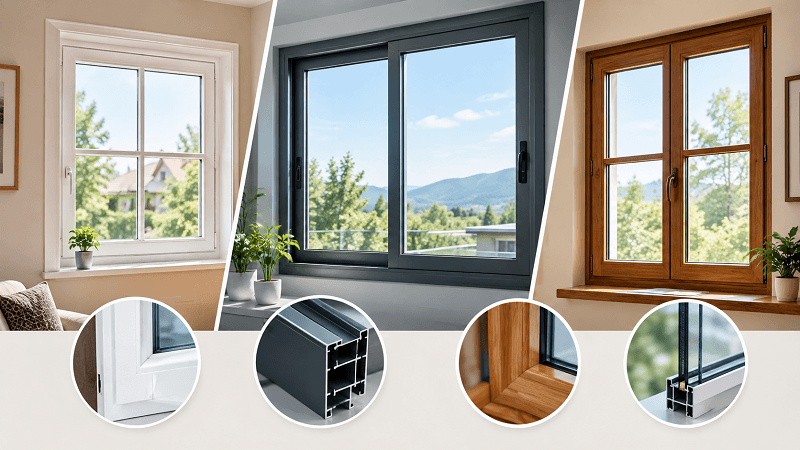
Window designs range from modern, minimalist treatments to more intricate forms, creating different visual effects within residential spaces. Aluminum windows differ from other window styles in their visual treatment, and surrounding architectural elements influence how those differences appear. Different configurations affect how an opening functions, while sliders, bi-folds, transoms, and sidelights create distinct arrangements for residential spaces. Here are some features that distinguish aluminum windows from other styles:
Design and Appearance
Window style and surrounding architectural features can shape a room’s character and visual balance. Aluminum windows suit a sleek, contemporary look, especially alongside simple architectural details. Intricate metalwork creates a more decorative appearance through scrollwork and other detailed patterns. Matching a window with the design of a nearby door creates a more unified appearance within the room.
The surrounding openings also affect how the window’s shape and detailing fit within the room’s design. Transoms add glazing above a primary opening, while sidelights place additional glazing beside it. These arrangements change the doorway’s proportions and affect how much surrounding wall remains visible.
Customization and Configuration
Custom window designs allow openings to meet the needs of a specific residential space. Photos of the existing area help designers establish a starting point for fabrication. In-home consultations also include precise measurements and discussions about available customizations. This process accommodates different residential requirements by adapting design details, dimensions, and configurations to each project’s specific space. Custom work ranges from intricate scrollwork to modern, minimalist treatments, so each opening has a distinct design direction.
Strength and Durability
Aluminum provides a strong, relatively lightweight material for window framing. Its strength lets manufacturers create narrow structural sections while supporting the glazing within the window assembly. This combination suits residential windows where the frame needs to provide support without becoming visually dominant.
Aluminum also withstands everyday exposure. It forms a protective oxide layer when exposed to air, so it does not rust like iron. An aluminum window’s durability also depends on how well its components resist repeated use and exposure to the elements. Intact seals and joints help prevent air and water from entering around the frame, while hardware and moving components must operate properly. When these components remain in good condition, the window performs reliably over time.
Functionality and Applications
Aluminum windows work well in residential spaces where homeowners want natural light and expansive views. Large windows can increase how much daylight enters a room, while different opening configurations allow homeowners to choose how the windows operate. For spaces that connect to patios, decks, or other outdoor areas, aluminum windows and doors also make movement between indoor and outdoor spaces easier. Two common configurations for creating wider openings include:
- Sliding panels: These move horizontally along a track; this reduces the clearance needed for door movement. The panels overlap when positioned together, creating a space-saving arrangement for areas with limited clearance. Large openings with sliders support unobstructed views and increased natural light across connected spaces.
- Bi-fold systems: These use connected panels that fold against one another along a concealed floor or ceiling track. When opened, the panels create a broad passage between interior and exterior areas. The folded panels still require stacking space on one side, so the surrounding layout affects their practical placement.
Explore Aluminum Windows
Aluminum windows offer a clean approach for residential openings where glass and contemporary design work together. Their framing, glazing, and configuration create specific visual and practical characteristics within a home. Existing architecture influences the window style, and available space affects how the opening fits within the room. Schedule an in-home or showroom consultation to learn more about window and door designs for your project.