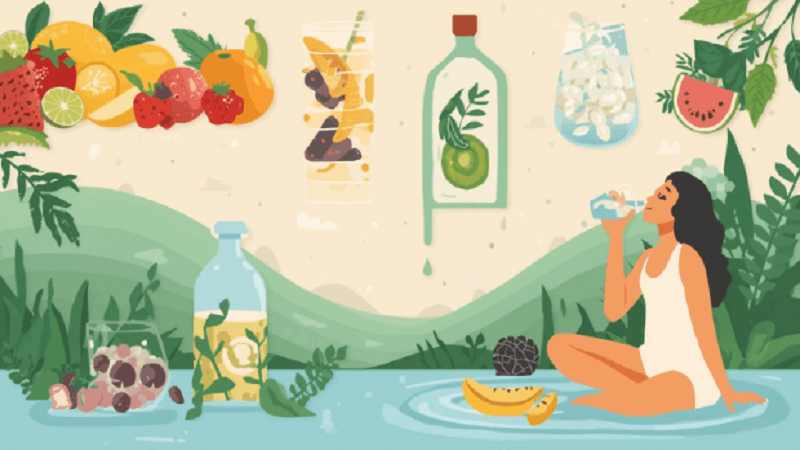
Mindful drinking offers a compelling alternative to autopilot habits, quietly transforming both lifestyle and health. At its foundation is awareness—understanding why you drink, how much you consume, and how it truly affects you. The advantage is immediate yet enduring. Clearer mornings. Fewer energy crashes. Greater emotional equilibrium. The benefits extend far beyond the glass: deeper sleep, improved concentration, steadier energy, and more genuine connections. By adopting this intentional practice, you’re not simply reducing alcohol intake. You’re cultivating clarity, resilience, and vitality, proving that deliberate micro-shifts can ignite meaningful, lasting change.
What Mindful Drinking Really Means
Mindful drinking is the practice of being fully present with each choice you make around alcohol. It involves noticing how drinking affects your body, mood, and mental state both in the moment and well after it ends. This approach isn’t about strict rules or rigid limits. It’s rooted in curiosity. You begin to identify patterns and triggers: stress, boredom, celebration, or routine. That awareness turns drinking from an unconscious reflex into an intentional decision. Over time, it restores balance, allowing enjoyment without excess and presence without regret.
How It Differs from Abstinence or Sobriety Movements
Unlike abstinence or sobriety, mindful drinking doesn’t require total avoidance. It prioritizes flexibility and self-compassion. Sobriety often reflects a firm decision to eliminate alcohol entirely, whether for health, recovery, or personal values. Mindful drinking, by contrast, emphasizes moderation and autonomy. You can enjoy a drink without guilt or decline one without pressure. The objective isn’t perfection. It’s harmony between pleasure and well-being.
How Alcohol Interacts with Your Brain and Metabolism
Alcohol may feel relaxing, but its physiological effects tell a more complex story. It stimulates dopamine release, creating a fleeting sense of ease or pleasure. That surge is often followed by a neurological downturn, marked by fatigue, irritability, or low mood. Metabolically, alcohol destabilizes blood sugar, impairs fat oxidation, and interferes with nutrient absorption. Understanding this interplay reveals why moderation isn’t merely a preference. It’s a biological imperative for sustained health.
Why Moderation Impacts Recovery, Sleep, and Energy Levels
After drinking, the body shifts into recovery mode. Even small amounts of alcohol can disrupt REM sleep—the phase responsible for restoration and cognitive repair. The result? Restless nights and sluggish mornings, regardless of hours spent in bed. Mindful moderation preserves sleep architecture, supporting better mood, sharper focus, and consistent energy. Often, the difference between clarity and brain fog begins with how intentionally you drank the night before.
How Mindful Drinking Encourages Emotional Resilience
Emotional resilience grows from awareness. When you observe how alcohol affects your mood, patterns emerge. Stress. Loneliness. Habitual reward-seeking. Mindful drinkers learn to recognize these cues and respond differently. They develop alternative coping strategies—movement, reflection, meaningful conversation. Over time, confidence deepens. Joy becomes intrinsic rather than chemically induced. Strength is cultivated internally, not poured from a bottle.
Tips for Saying No Without Feeling Left Out
Confidence is foundational. Owning your choice to drink mindfully often diffuses curiosity and minimizes awkwardness. Keep responses simple. Statements like “I’m taking it easy tonight” or “I’m good with this for now” are both gracious and firm. Choose alcohol-free alternatives that still feel celebratory, such as sparkling water with citrus, mocktails, and kombucha. Holding a drink, even non-alcoholic, helps you blend naturally into social settings. Surround yourself with people who respect your boundaries. Focus on connection, not consumption. Laughter, presence, and shared stories matter far more than what’s in your glass. And when questioned, gently redirect. Curiosity disarms pressure. Above all, enjoy the clarity—being present, remembering everything, and waking refreshed.
How Moderation Supports Metabolism and Fitness Goals
Alcohol delivers empty calories with little nutritional return, often undermining fitness efforts. Mindful drinking helps rein in those hidden calories while supporting metabolic efficiency. Reduced intake allows the body to burn fat more effectively, recover muscles faster, and maintain better hydration. The payoff isn’t just aesthetic. You feel lighter, sharper, and more attuned to your body’s natural cadence.
Conclusion
Mindful drinking isn’t a fleeting trend. It’s a sustainable approach to living with intention. By choosing awareness over impulse, you reclaim agency over your health, emotions, and time. The benefits cascade outward—clearer thinking, improved well-being, stronger relationships, and genuine peace of mind. Ultimately, it’s not about drinking less. It’s about living more consciously, more fully, and with purpose.