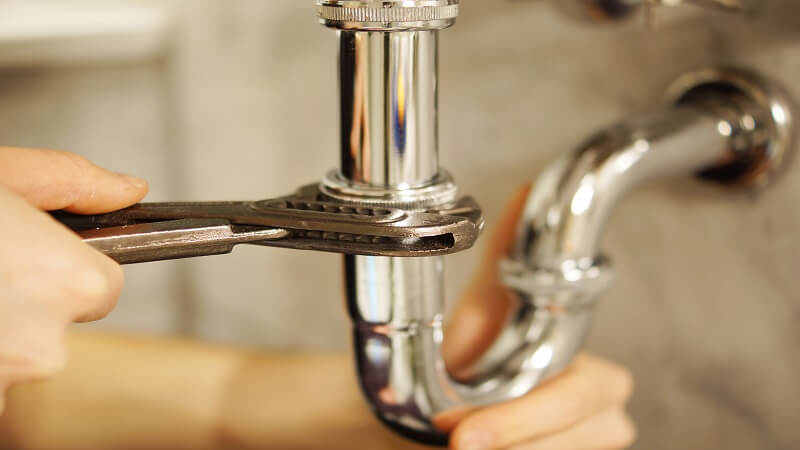
Most plumbing emergencies don’t start with a burst pipe.
They start with something small people ignore for weeks. A drain that gurgles. A water heater making noise at 2 a.m. A patch of wet grass near the septic line. Then Southern California gets hit with heavy rain, or a pipe finally gives out, and suddenly somebody’s searching for a plumber while standing in ankle-deep water.
That’s usually when bad decisions happen.
Across Los Angeles, Riverside, Orange County, and San Bernardino, homeowners often hire the first company that answers the phone. Some get lucky. Others end up paying for rushed repairs, inflated emergency charges, or temporary fixes that fail again within months.
A good emergency plumber solves the problem. A bad one creates a second emergency after the invoice arrives.
Don’t Skip the Basics During an Emergency
Panic makes people move too fast. That’s exactly why contractors with questionable reputations thrive during plumbing emergencies.
The quickest way to find out more about a plumbing company is to verify whether they actually operate legally in California.
That matters more than most people think.
An unlicensed plumber might offer cheaper pricing upfront. The problem shows up later when:
- repairs fail
- insurance claims get denied
- water damage spreads
- code violations surface during resale
Experienced property managers usually check licensing before they even make the first call.
Look for Local Coverage First
A company based near your area almost always responds faster during a real emergency.
That becomes critical during:
- storm-related flooding
- sewer backups
- slab leaks
- gas line issues
- overflowing septic systems
A plumber driving across counties during traffic cannot arrive quickly, no matter what the ad says.
Before booking, confirm:
- physical service areas
- emergency hours
- dispatch availability
- response times
- weekend coverage
If those details seem vague online, that’s usually a warning sign.
Reviews Matter. The Details Matter More.
Star ratings alone tell very little.
A plumbing company can maintain strong ratings while still frustrating customers during emergencies. The real information sits inside the written reviews.
Look for repeated patterns.
Homeowners in Riverside and Orange County commonly mention:
- technicians arriving late
- emergency fees increasing after arrival
- incomplete drain cleaning
- poor communication
- temporary pipe repairs
Those complaints tend to repeat when a company cuts corners.
On the other hand, reliable emergency plumbing reviews usually sound specific.
You’ll see people mention:
- exact arrival times
- clear explanations
- respectful technicians
- clean work areas
- same-day problem resolution
That kind of feedback carries more weight than generic praise.
Pay Attention to Commercial Reviews
Commercial plumbing work creates different pressure.
A restaurant dealing with a sewer backup can lose an entire weekend of business. Apartment complexes face tenant complaints immediately. Medical offices cannot afford plumbing shutdowns during operating hours.
Commercial property owners should verify whether the company handles:
- hydro jetting
- sewer camera inspections
- grease trap service
- large drain systems
- commercial water heaters
- multi-unit plumbing repairs
Some companies advertise commercial work but mainly handle residential calls.
There’s a difference.
Certain Plumbing Problems Cannot Wait
Some homeowners wait too long before calling emergency services. They hope the issue resolves itself.
Usually, it gets worse.
Call immediately if you notice:
- sewage backing into tubs or sinks
- water stains spreading across ceilings
- sudden drops in water pressure
- standing water near septic tanks
- gas smells near appliances
- water heater leaks
- overflowing drains during rainstorms
- high water bills
Gas-related plumbing issues deserve immediate attention. Even small leaks create serious risks inside enclosed spaces.
Ask Direct Questions Before Scheduling Service
Reliable plumbers rarely dodge operational questions.
Before booking emergency service, ask:
- Do you charge separate emergency dispatch fees?
- Will you provide written estimates?
- Do technicians carry diagnostic equipment?
- Is hydro jetting available if needed?
- Do you guarantee repair work?
- Are technicians licensed employees or subcontractors?
The answers tell you a great deal about how the company operates.
Short, vague responses usually create problems later.
Good Companies Explain Pricing Clearly
One of the biggest complaints homeowners report involves surprise billing after emergency calls.
Professional plumbing companies normally explain:
- emergency labor rates
- after-hours pricing
- inspection costs
- material charges
- warranty coverage
Transparent pricing builds trust quickly.
Pressure tactics do the opposite.
A skilled emergency plumber explains the issue and outlines repair options. He gives realistic recommendations based on the actual condition of the system.
That approach matters during stressful situations.
Local Experience Still Counts
Southern California plumbing systems come with regional problems many out-of-state contractors rarely see.
Homes in older Los Angeles neighborhoods often contain aging galvanized pipes. Riverside properties deal with mineral buildup from hard water. Orange County sewer systems face root intrusion because mature landscaping surrounds older lines.
Local plumbers working in these areas every week usually diagnose issues faster. It is because they’ve already handled similar problems dozens of times.
That experience shortens repair time. It also helps homeowners avoid unnecessary work.
Emergency plumbing becomes far less stressful when property owners already know who they can trust. A little research ahead of time prevents expensive decisions during high-pressure situations later.