
The Problem
A dim living room rarely fails because of paint color or furniture arrangement; it fails because the primary light source was chosen as an afterthought. Builder-grade fixtures and recessed cans provide even illumination, but they rarely give a room a focal point or a sense of scale. Homeowners often notice the issue only after moving in, when a space that looked fine on a walkthrough feels flat and uninviting once furnished. The lighting plan, in other words, was never actually a plan.
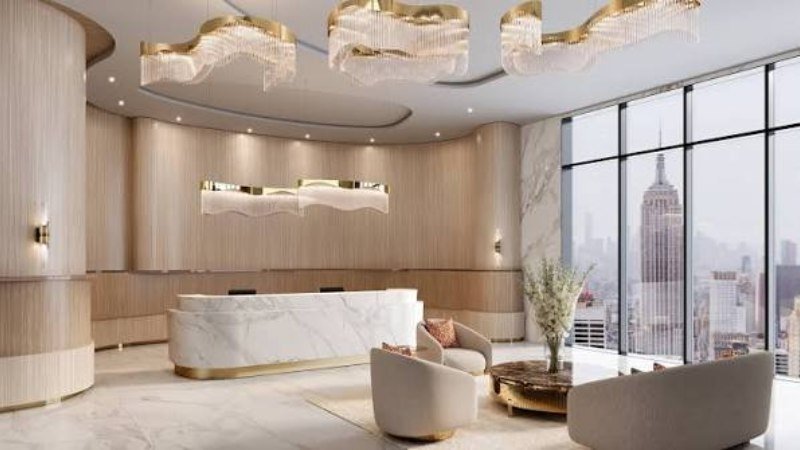
This gap becomes more obvious in rooms with higher ceilings or open floor plans, where a single pendant or a scattering of downlights cannot anchor the eye. Shadows pool in corners while the center of the room stays dark unless a lamp is added, which then competes with the furniture for space. Renters and buyers alike inherit these compromises, since most builders default to the cheapest fixture that meets code rather than one suited to the room’s proportions. Over time, the mismatch between ceiling height and fixture scale becomes a design problem that paint and furniture cannot solve on their own.
The Approach
Addressing the problem starts with treating the light fixture as furniture rather than infrastructure. A dining room or entryway benefits from a piece with enough visual weight to draw the eye upward, and this is where a statement fixture earns its keep. For homeowners weighing options, guidance on choosing a modern black chandelier often points toward the same principle: pick a silhouette that matches the room’s ceiling height and the scale of the furniture beneath it. A fixture that reads as sculptural during the day, when unlit, tends to hold its own once evening falls and the bulbs come on. This dual identity is what separates a memorable fixture from a purely functional one.
Color and finish matter as much as shape. Dark metal fixtures tend to recede into a ceiling with contrasting trim, while lighter finishes can wash out against pale walls and lose definition entirely. Matte black, in particular, reads as more architectural than decorative, which makes it easier to place in rooms with mixed metal finishes elsewhere. Buyers should also consider bulb count and arm spread relative to the table or seating area below, since a fixture that looks proportionate in a showroom photo can overwhelm a smaller dining nook. Getting these measurements right before purchase avoids the return-and-reorder cycle that frustrates so many first-time buyers.
What to Look For
Material quality is the first thing worth checking closely. Cast metal arms and solid mounting hardware tend to outlast stamped or hollow components, and the difference shows up after a few years of dusting and occasional adjustment. Dimmable compatibility is another detail that gets overlooked until the fixture is already installed, at which point retrofitting a dimmer switch becomes an added expense. Shoppers should also confirm that the canopy and downrod length can be adjusted for their specific ceiling height, since a fixture hung too low can interfere with foot traffic or sightlines.
Energy use deserves attention alongside style, since a fixture with several bulbs can add up on a utility bill if the wrong bulb type is installed. The ENERGY STAR lighting guidance offers a useful reference point for comparing bulb wattage, lumen output, and expected lifespan before making a final decision. Pairing an efficient LED bulb with a well-chosen fixture keeps the room bright without adding noticeable cost to monthly energy use. A little research at this stage, rather than after installation, tends to save both money and a second trip to the hardware store. Fixtures chosen with both design and efficiency in mind rarely need replacing for years, which makes the upfront research worth the time it takes.