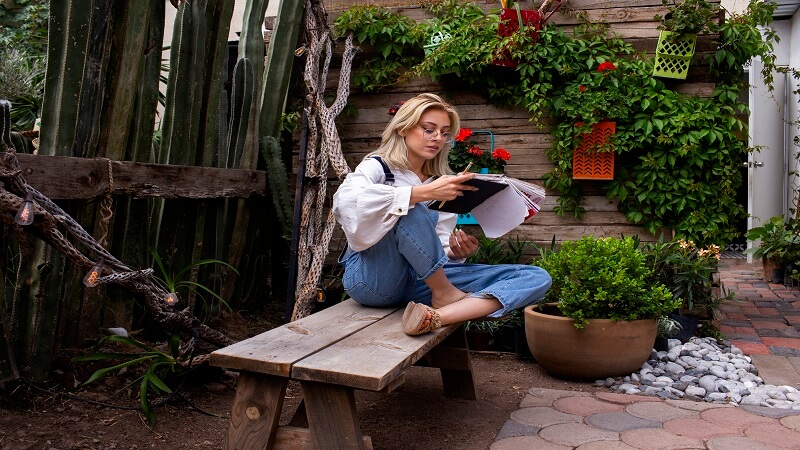
Creating a landscape that blends beauty, comfort, and practicality is one of the best ways to enhance your home’s value and daily living experience. Whether you have a big backyard, a small urban garden, or just a front lawn, designing an outdoor space that is both functional and visually appealing requires thoughtful planning and smart choices. In this simple guide to a functional, beautiful landscape, you’ll learn step-by-step how to design, build, and maintain a space that fits your lifestyle, budget, and aesthetic goals.
Landscaping isn’t just about planting flowers or adding decorative stones—it’s about creating an outdoor extension of your home where you can relax, entertain, and feel connected to nature. With the right combination of layout, structure, materials, and plants, any homeowner can transform plain land into a harmonious, inviting space.
This comprehensive guide covers everything you need to know—from analyzing your yard and choosing the right plants to creating pathways, adding lighting, managing water, and keeping your landscape healthy all year long.
1. Understanding Your Space
A truly functional and beautiful landscape begins with knowing what you already have. Before making any decisions, observe and analyze your outdoor space.
1.1 Evaluate Your Yard’s Conditions
Pay attention to:
- Sun exposure: Which areas receive full sun, partial shade, or full shade?
- Soil type: Is it sandy, clay, or loamy? Soil testing helps you choose the right plants.
- Drainage: Does water pool in certain areas? Poor drainage can damage plants and structures.
- Wind patterns: Strong winds can dry out plants or damage outdoor features.
- Existing features: Trees, slopes, rocks, and paved areas all influence your design.
1.2 Identify Your Needs and Goals
Ask yourself:
- Do you want a low-maintenance garden?
- Do you need play areas for children?
- Is your goal a relaxing space, an entertainment zone, or both?
- Do you want areas for vegetable gardening, flower beds, outdoor dining, or pet-friendly spaces?
A functional landscape meets your daily needs while a beautiful one reflects your personal style.
1.3 Set a Realistic Budget
Your budget determines scale and material choices. Even with a small budget, you can create a stunning landscape by focusing on:
- Simple designs
- Native plants
- DIY installations
- Phased planning (completing the project over time)
2. Designing a Functional Layout
In this Simple Guide to a Functional, Beautiful Landscape, one of the most important steps is designing a layout that makes your outdoor area easy to use and enjoyable.
2.1 Divide Your Space into Zones
Organize your landscape into functional zones:
- Relaxation zone: seating, hammocks, fire pits
- Dining zone: outdoor table, grill, shade structure
- Garden zone: flower beds, vegetables, herbs
- Activity zone: lawn space for kids, pets, or sports
- Utility zone: storage, compost, trash area
Zoning helps you use your space efficiently and avoid clutter.
2.2 Plan Traffic Flow
Create natural pathways that allow people to move effortlessly between zones. Good flow:
- Prevents soil compaction
- Keeps plants protected
- Makes the landscape feel organized and open
2.3 Maintain Balance and Proportion
A beautiful landscape feels harmonious. To achieve balance:
- Use symmetry in small yards (matching plants or features)
- Use natural placement in larger or irregular spaces
- Avoid overcrowding plants or spacing them too far apart
3. Choosing Plants That Thrive
Plants bring life, color, and texture to your landscape. Choose wisely to ensure long-lasting beauty with minimal effort.
3.1 Use Native and Climate-Friendly Plants
Native plants:
- Require less water
- Resist local pests and diseases
- Thrive naturally without excessive care
3.2 Mix Plant Types for Visual Interest
Combine:
- Trees for shade and structure
- Shrubs for borders and height
- Flowers for color and seasonal beauty
- Groundcovers for soil protection and weed control
3.3 Consider Maintenance Levels
Low-maintenance landscaping is ideal for busy homeowners. Choose plants that:
- Are drought-resistant
- Don’t need frequent pruning
- Thrive in your soil type
3.4 Plan for Year-Round Appeal
A beautiful landscape looks great in every season. Include:
- Evergreen shrubs for winter structure
- Spring and summer blooming flowers
- Autumn foliage trees or shrubs
- Perennials for recurring growth
4. Adding Hardscape Elements
Hardscaping includes all non-plant features in your landscape. These structures add function, durability, and style.
4.1 Paths and Walkways
Use materials like:
- Stone
- Gravel
- Brick
- Concrete pavers
Walkways connect zones and help maintain a clean, organized look.
4.2 Patios and Sitting Areas
A functional landscape needs comfortable gathering spaces. Consider:
- Pergolas for shade
- Wooden or stone decks
- Outdoor furniture that resists weather
4.3 Retaining Walls and Borders
Retaining walls:
- Control erosion
- Support raised garden beds
- Add dimension to the landscape
Borders:
- Define garden beds
- Prevent grass spreading
- Create clean, polished edges
4.4 Water Features
Water adds tranquility and beauty. Options include:
- Fountains
- Ponds
- Waterfalls
- Birdbaths
Choose low-maintenance designs to avoid constant cleaning.
5. Smart Irrigation and Water Management
Efficient water management ensures healthy plants while preventing waste.
5.1 Install Drip Irrigation
Drip lines deliver water directly to roots, reducing evaporation and water waste.
5.2 Use Mulch Generously
Mulch:
- Retains moisture
- Prevents weeds
- Improves soil health
- Adds a clean look to garden beds
5.3 Harvest Rainwater
Use rain barrels to water plants naturally and reduce water bills.
5.4 Grade Your Yard Properly
Proper grading prevents flooding, erosion, and foundation damage.
6. Outdoor Lighting for Safety and Beauty
Lighting transforms your landscape at night and enhances safety.
6.1 Path Lighting
Install low-voltage or solar lights along walkways to guide movement and prevent accidents.
6.2 Accent Lighting
Use spotlights to highlight:
- Trees
- Shrubs
- Architectural features
- Water elements
6.3 Security Lighting
Motion-activated lights help deter intruders and illuminate dark areas.
6.4 Mood Lighting
String lights, lanterns, or LED strips create a relaxing, cozy atmosphere.
7. Creating Comfort and Usability
A functional landscape must feel comfortable and tailored to your lifestyle.
7.1 Add Shade Solutions
Options include:
- Trees
- Umbrellas
- Pergolas
- Shade sails
Shade makes outdoor living enjoyable during hot weather.
7.2 Add Outdoor Furniture
Choose:
- Weather-resistant materials like teak, aluminum, or rattan
- Cushions with UV-resistant fabrics
- Durable, easy-to-clean designs
7.3 Include Storage
Outdoor storage keeps your space tidy. Use:
- Deck boxes
- Sheds
- Benches with storage compartments
8. Low-Maintenance Design Strategies
In this Simple Guide to a Functional, Beautiful Landscape, low-maintenance design is a major focus, especially if you want your yard to stay attractive without daily work.
8.1 Reduce Lawn Areas
Lawns require mowing, watering, and fertilizing. Replace parts of your lawn with:
-
Native groundcovers
-
Gravel beds
-
Mulched garden areas
8.2 Choose Durable Hardscape Materials
Select stones and pavers that withstand weather changes with minimal upkeep.
8.3 Plant in Layers
Layered planting minimizes weed growth and creates natural beauty.
8.4 Use Automatic Systems
Timers for lighting and irrigation save time and ensure consistency.
9. Seasonal Landscaping Tips
Maintaining a beautiful landscape year-round requires small seasonal adjustments.
9.1 Spring
- Clean beds and remove winter debris
- Fertilize plants
- Mulch garden areas
- Plant seasonal flowers
9.2 Summer
- Water early in the morning
- Prune shrubs lightly
- Monitor pests and diseases
9.3 Autumn
- Rake leaves
- Plant bulbs for spring
- Aerate soil and overseed lawn
- Protect sensitive plants
9.4 Winter
- Cover delicate plants
- Clear pathways from snow or debris
- Plan next year’s improvements
10. Adding Personal Style
Make your landscape reflect your personality.
10.1 Color Themes
Choose plant colors that complement your home—warm tones, cool tones, or natural greens.
10.2 Decorative Features
Include elements like:
- Garden statues
- Birdhouses
- Artistic pots
- Outdoor rugs
- Metal or wooden accents
10.3 Plant According to Style
- Modern: Clean lines, minimalism, neutral tones
- Cottage: Colorful flowers, curved paths, natural charm
- Tropical: Large leaves, bright blooms, lush growth
- Rustic: Wood, stone, natural textures
11. Step-by-Step Example Design
Below is a sample layout to inspire your own functional and beautiful landscape.
Front Yard:
- Stone pathway leading to the entry
- Low shrubs along borders
- Small ornamental tree for height
- Flower bed with seasonal blooms
Backyard:
- Patio with pergola for dining
- Stone fire pit area
- Raised vegetable garden
- Lawn area for children or pets
- Native plants along fence for privacy
This kind of design is easy to maintain and visually appealing all year.
12. Why a Good Landscape Matters
A well-planned landscape:
- Increases property value
- Improves curb appeal
- Reduces stress
- Provides natural cooling
- Encourages outdoor living
- Supports local wildlife
- Saves money through low-maintenance and efficient watering
A functional landscape enhances your life every day, while a beautiful one makes your home more welcoming.
Conclusion
This Simple Guide to a Functional, Beautiful Landscape has shown you how thoughtful planning, smart plant selection, and well-placed hardscape elements can transform any outdoor space into a practical and stunning environment. Whether your goal is a quiet retreat, a family-friendly yard, or a space for entertaining guests, the key to success lies in balancing beauty with usability.
With the right approach, you can create an outdoor space that thrives year-round, reflects your personal style, and adds long-term value to your home. Follow the steps, apply these practical tips, and enjoy watching your landscape evolve into a truly functional and beautiful sanctuary.