Improving your home’s energy efficiency is one of the smartest decisions you can make—both for reducing your monthly bills and extending the life of your HVAC system. Whether you live in an older home or a newly built property, small adjustments to your heating, ventilation, and air-conditioning habits can make a significant difference. In this comprehensive guide, we will explore simple HVAC tips to make your home more energy efficient, discussing practical steps, professional advice, and long-term solutions that help you save money while keeping your living space comfortable year-round.
Your HVAC system is one of the largest energy consumers in your home. It works around the clock to heat, cool, and circulate air. But when it is not used efficiently—or when it is poorly maintained—it can waste energy, reduce comfort, and increase your monthly utility costs. The good news is that with the right strategies, you can improve performance without replacing the entire system.
In this article, we will cover everything from filter maintenance and thermostat settings to advanced upgrades such as zoning systems, duct sealing, and smart thermostats. These simple HVAC tips to make your home more energy efficient apply to homeowners, renters, and property managers looking to optimize energy use and improve indoor air quality.
1. Understand How Your HVAC System Uses Energy
Before you start improving energy efficiency, it’s important to understand how HVAC systems work. Your HVAC system consists of several components:
- Heating unit: furnace, boiler, or heat pump
- Cooling unit: air conditioner or heat pump
- Ventilation system: ducts, vents, fans
- Thermostat: controls system temperature
- Air filters: remove dust and pollutants
When these components work together efficiently, your home reaches optimal comfort with minimal energy use. But when any part is dirty, malfunctioning, or outdated, the entire system has to work harder.
2. Change or Clean Air Filters Regularly
One of the most effective, simple HVAC tips to make your home more energy efficient is to clean or replace your air filters on time.
Why It Matters
Dirty air filters block airflow, forcing your HVAC system to use more energy. This can:
- Increase utility bills
- Reduce indoor air quality
- Cause system overheating
- Shorten equipment lifespan
How Often Should You Change Filters?
- Standard filters: Every 30–60 days
- Homes with pets or allergies: Every 30 days
- HEPA or high-performance filters: Every 60–90 days
Keeping your filters clean ensures smooth airflow, reduces strain on the system, and keeps your home comfortable.
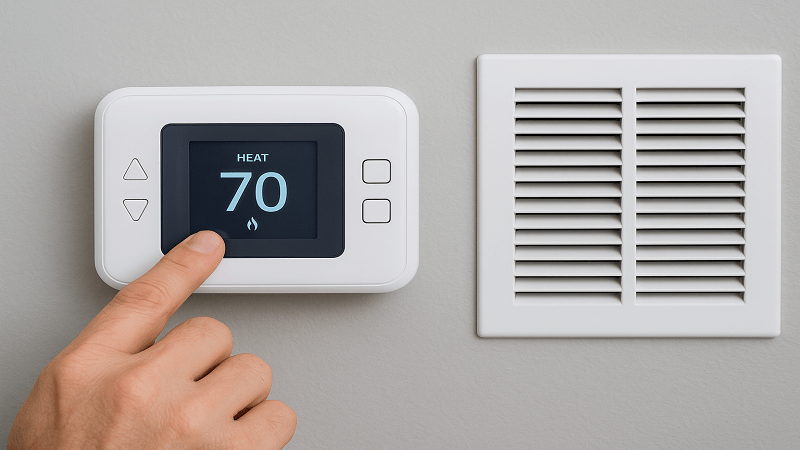
3. Install and Use a Smart Thermostat
Smart thermostats are one of the easiest upgrades you can make—and they can reduce heating and cooling costs by up to 10–20% annually.
Benefits of Smart Thermostats
- Learn your schedule and adjust temperatures automatically
- Allow remote control via smartphone
- Provide energy consumption reports
- Balance comfort and savings
Recommended Settings
- Winter: 68°F (20°C) when home, 62°F (16°C) when away
- Summer: 78°F (25.5°C) when home, 82°F (28°C) when away
Small adjustments to thermostat settings can save you hundreds of dollars per year.
4. Seal Air Leaks Around Your Home
Air leaks are silent energy killers. Even a small gap around doors or windows can cause your HVAC system to run longer than necessary.
Common Leak Locations
- Windows and door frames
- Attic and basement
- Electrical outlets and switch plates
- Duct joints
- Chimneys
How to Fix Leaks
- Use weatherstripping for doors and windows
- Apply caulk to cracks
- Seal ductwork with mastic sealant or foil tape
Sealing leaks keeps conditioned air inside, reduces energy waste, and improves comfort.
5. Schedule Professional HVAC Maintenance
Even if you take care of basic tasks, your HVAC system still needs professional inspections. Experts recommend a tune-up twice a year—once for heating and once for cooling.
What Technicians Inspect
- Refrigerant levels
- Electrical connections
- Duct leaks
- Burner and heat exchanger
- Blower motor and belts
- Thermostat calibration
Regular maintenance ensures efficiency, prevents breakdowns, and extends system life.
6. Clean Vents and Air Registers
Blocked vents restrict airflow, forcing your HVAC system to work harder.
Maintenance Tips
- Remove dust from vents every month
- Keep furniture away from registers
- Ensure no curtains or rugs block airflow
Maintaining airflow helps stabilize home temperature and reduce energy use.
7. Insulate Your Home Properly
Good insulation keeps conditioned air inside your home longer, reducing the workload on your HVAC system.
Where to Insulate
- Attics
- Walls
- Basements
- Crawlspaces
- Ductwork
Insulation helps maintain desired temperatures in extreme weather, lowering heating and cooling costs.
8. Use Ceiling Fans to Support HVAC Efficiency
Ceiling fans don’t cool the air directly—they improve air circulation and help your HVAC system distribute temperature evenly.
Seasonal Fan Tips
- Summer: Fan blades should spin counterclockwise
- Winter: Set blades to clockwise at a low speed
This simple adjustment can make a big difference in comfort and energy consumption.
9. Upgrade to Energy-Efficient HVAC Equipment
If your HVAC system is more than 10–15 years old, upgrading to a newer model can significantly reduce energy bills.
What to Look For
- ENERGY STAR certified systems
- High SEER (Seasonal Energy Efficiency Ratio) for AC
- High AFUE (Annual Fuel Utilization Efficiency) for furnaces
- Variable-speed motors for precise airflow
Modern HVAC units consume 30–50% less energy than older models.
10. Install a Zoning System
Zoning divides your home into multiple temperature-controlled areas. This allows you to cool or heat individual rooms without wasting energy.
Benefits
- Personalized comfort
- Reduced energy use
- Prolonged HVAC lifespan
Homes with multiple floors benefit greatly from zoning systems.
11. Keep Outdoor HVAC Units Clean
Outdoor condensers need airflow to operate efficiently. Dirt, leaves, and debris can reduce performance.
What to Do
- Clean around the unit regularly
- Maintain 2–3 feet of clearance
- Gently rinse coils with a hose
Never cover the unit during operation, as this traps heat and reduces efficiency.
12. Manage Heat Sources in Your Home
Heat-producing appliances can interfere with thermostat readings.
Avoid Placing Near Thermostats
- Lamps
- Ovens
- Heaters
- Electronics
Also, reduce heat sources during summer:
- Use LED bulbs
- Cook outdoors when possible
- Close blinds during peak sunlight
This prevents your AC from working harder than necessary.
13. Improve Indoor Airflow
Good airflow helps your HVAC system reach temperature faster with less energy.
Tips
- Keep interior doors open
- Remove obstructions from vents
- Use high-quality air filters
- Avoid clutter around return air grilles
Airflow optimization promotes system efficiency and better air quality.
14. Monitor Humidity Levels
Humidity impacts your HVAC system’s workload. High humidity makes your home feel warmer, forcing your AC to work harder.
Solutions
- Use a dehumidifier
- Ensure proper ventilation in bathrooms and kitchens
- Repair leaks that increase moisture
Keeping humidity between 40–50% helps maintain comfort and reduce energy waste.
15. Use Curtains and Blinds Strategically
Sunlight can quickly heat up your home, especially in warmer climates.
Smart Window Strategies
- Keep blinds closed during peak sun hours
- Install blackout curtains
- Use UV-blocking window film
In the winter, open curtains during the day to let natural heat in.
Conclusion
Improving your home’s energy efficiency doesn’t always require expensive upgrades. Most solutions are simple, practical, and easy to implement. By following these simple HVAC tips to make your home more energy efficient, you can lower your monthly utility bills, increase comfort, extend the life of your HVAC system, and reduce your carbon footprint.
Whether you use smart technology, schedule regular maintenance, seal air leaks, or optimize thermostat settings, every step contributes to a more efficient home. Start applying these strategies today and enjoy long-term savings and comfort for years to come.