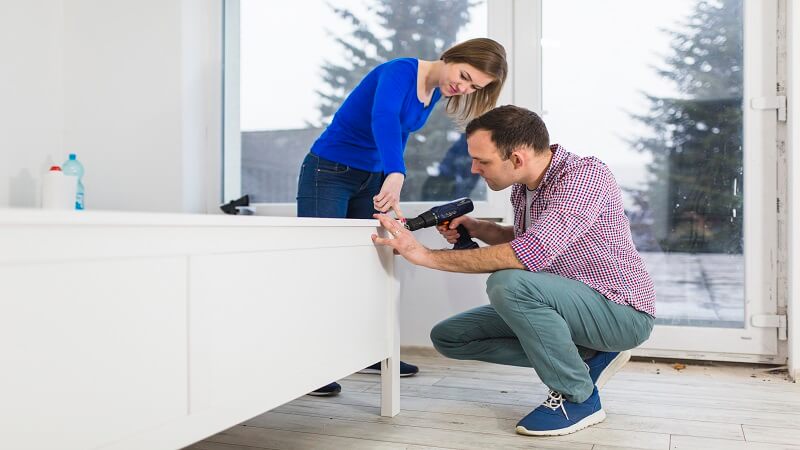
Managing a home can feel overwhelming—leaky faucets, creaking floors, outdated appliances, or inefficient systems can easily turn a peaceful living space into a source of stress. But with the right approach, you can transform home maintenance from a headache into a simple, organized process. This comprehensive 2000-word guide will walk you through Stress-Free Home Care: Essential Repairs and Upgrades, showing you how to maintain, improve, and protect your home efficiently and with confidence.
Whether you’re a new homeowner or someone planning long-term upgrades, this article will help you build a reliable home care strategy that saves time, money, and effort.
1. Understanding the Importance of Stress-Free Home Care
Your home is one of your biggest investments, so regular maintenance is not optional—it’s essential. Small repairs that go ignored often turn into expensive fixes, while outdated or inefficient systems can drive up monthly bills and reduce comfort.
A stress-free home care routine gives you several benefits:
- Prevents costly emergency repairs
- Improves safety and security
- Boosts home value
- Keeps your living environment comfortable
- Reduces energy consumption
- Helps maintain organization and peace of mind
This is why focusing on Stress-Free Home Care: Essential Repairs and Upgrades should be a priority for every homeowner.
2. Essential Repairs Every Homeowner Should Address Promptly
Some home repairs can wait. Others cannot. Ignoring urgent repairs can lead to structural issues, water damage, electrical failures, or even health hazards. Here are key repairs you should always prioritize.
2.1 Roof Repairs
Your roof is your home’s first line of defense against weather. Small issues like loose shingles, minor leaks, or moisture buildup can turn into mold growth or structural damage.
What to check regularly:
- Missing or cracked shingles
- Water stains on ceilings
- Clogged gutters
- Mold or algae growth
Quick Tip: Inspect your roof twice a year—once after winter and once after the rainy season.
2.2 Plumbing Repairs
Plumbing problems escalate quickly. A tiny leak can waste gallons of water and cause mold, wood rot, or structural instability.
Common plumbing issues:
- Dripping faucets
- Low water pressure
- Running toilets
- Frozen or burst pipes
- Water heater malfunctions
Preventive care:
Install smart water leak detectors near sinks, toilets, and appliances.
2.3 Electrical Repairs
Faulty electrical systems are dangerous. They can cause fires, appliance damage, and electrocution risks.
Warning signs that require immediate attention:
- Flickering lights
- Burning smell
- Frequent breaker trips
- Sparking outlets
- Warm or discolored switch plates
Safety Tip:
Only a licensed electrician should handle wiring, panel repairs, or major installations.
2.4 HVAC System Repairs
Your heating, ventilation, and air conditioning system affects comfort, air quality, and energy bills.
Signs your HVAC needs repair:
- Weak airflow
- Strange noises
- Inconsistent room temperatures
- High utility bills
- Dust buildup
Routine maintenance tasks:
- Change filters every 4–6 weeks
- Have yearly professional servicing
2.5 Structural Repairs
These affect the integrity of your home. Never delay them.
Issues to watch for:
- Cracks in walls or foundation
- Uneven or sagging floors
- Doors and windows that stick
- Water pooling near the foundation
If you notice these problems, schedule a professional assessment immediately.
3. Essential Upgrades That Improve Home Value and Comfort
Repairs keep your home functioning. Upgrades, on the other hand, improve your home’s efficiency, appearance, and value.
This section covers the most impactful upgrades for Stress-Free Home Care: Essential Repairs and Upgrades.
3.1 Energy-Efficient Windows and Doors
Old windows leak air, increase electricity bills, and reduce comfort. Modern energy-efficient windows can save up to 25% on annual energy costs.
Benefits:
- Better insulation
- Improved temperature control
- Enhanced noise reduction
- Higher home value
3.2 Smart Home Technology
Smart home upgrades make daily life easier and safer.
Recommended smart systems:
- Smart thermostats
- Video doorbells
- Smart locks
- Leak detectors
- Smoke and carbon monoxide alarms
- Smart lighting
These upgrades enhance convenience, reduce energy usage, and increase home safety.
3.3 Kitchen Upgrades
The kitchen is the heart of any home. Upgrading it not only boosts daily living but also adds significant resale value.
High-impact kitchen upgrades:
- Energy-efficient appliances
- Modern cabinets
- Quartz or granite countertops
- Under-cabinet lighting
- Smart kitchen faucets
3.4 Bathroom Upgrades
Bathrooms are highly functional spaces, and improving them increases comfort and hygiene.
Popular upgrades:
- Touchless faucets
- Walk-in showers
- Ventilation improvements
- Heated floors
- Waterproof LED lights
3.5 Flooring Upgrades
Flooring affects appearance, durability, and cleaning ease.
Best options:
- Vinyl plank (affordable, waterproof)
- Hardwood (timeless and valuable)
- Tile (great for kitchens and bathrooms)
- Carpet (comfortable for bedrooms)
Choose materials based on your lifestyle (kids, pets, climate).
3.6 Insulation and Weatherproofing
Improving insulation reduces energy bills and creates a more comfortable indoor environment.
Key weatherproofing areas include:
- Attic
- Basement
- Crawl spaces
- Exterior walls
- Windows and doors
4. Creating a Stress-Free Home Maintenance Plan
The secret to a smooth home care routine is organization. Here’s a simple plan that any homeowner can follow.
4.1 Monthly Home Maintenance Checklist
- Inspect sinks and toilets for leaks
- Clean HVAC filters
- Test smoke and CO detectors
- Check exterior for cracks or damage
- Clean kitchen exhaust fan filters
4.2 Seasonal Checklist
Spring:
- Clean gutters
- Test sprinklers
- Inspect roof after winter
Summer:
- Service AC
- Check windows for leaks
- Pest control treatment
Fall:
- Clean chimneys
- Inspect insulation
- Seal gaps for winter
Winter:
- Protect pipes from freezing
- Inspect heating system
- Remove snow buildup
4.3 Yearly Checklist
- Professional HVAC servicing
- Deep-clean carpets
- Check foundation
- Repaint or repair exterior walls
- Flush water heater
5. Budgeting for Repairs and Upgrades
Home care doesn’t have to be expensive if you plan smartly.
5.1 Create a Home Maintenance Budget
Financial experts recommend setting aside 1% to 3% of your home’s value each year for maintenance.
For example:
If your home is worth $200,000, save $2,000–$6,000 yearly.
5.2 Categorize Expenses
Organize your budget into:
- Emergency repairs
- Routine maintenance
- Planned upgrades
This helps you avoid stress and overspending.
5.3 Use Cost-Saving Tips
- Do simple repairs yourself
- Seal windows and doors to cut energy bills
- Install LED lights
- Clean appliances regularly to extend lifespan
- Buy appliances during sales seasons
6. When to DIY and When to Hire a Professional
Not all repairs require a professional—but some definitely do.
6.1 Safe DIY Tasks
- Painting walls
- Replacing cabinet handles
- Installing shelves
- Fixing basic leaks (with proper tools)
- Changing HVAC filters
6.2 Tasks Only Professionals Should Handle
- Electrical wiring
- Major plumbing work
- Roof replacement
- HVAC repairs
- Structural repairs
Hiring professionals ensures safety and quality.
7. Building a Long-Term Home Care Strategy
Your home will evolve as your family grows. Planning ahead keeps everything running smoothly.
7.1 Create a Home Care Binder
Include:
- Appliance manuals
- Warranty documents
- Receipts
- Service schedules
- Maintenance checklists
This keeps everything organized.
7.2 Use Apps to Stay Organized
Home maintenance apps can remind you of schedules and store important notes.
7.3 Plan Upgrades 3–5 Years in Advance
Make a list of:
- Essential upgrades
- Optional upgrades
- Long-term renovations
Ranking priorities helps you stay within budget.
8. Conclusion: Building a Stress-Free Home for the Future
A well-maintained home brings peace, comfort, and security. By understanding Stress-Free Home Care: Essential Repairs and Upgrades, you can take control of your home’s condition, prevent costly surprises, and create a living space that supports your lifestyle.
Remember—home care doesn’t have to be stressful. With the right knowledge, planning, and a proactive approach, you can maintain a safe, beautiful, and efficient home for years to come.
Your journey to Stress-Free Home Care: Essential Repairs and Upgrades starts today—one small step at a time.