
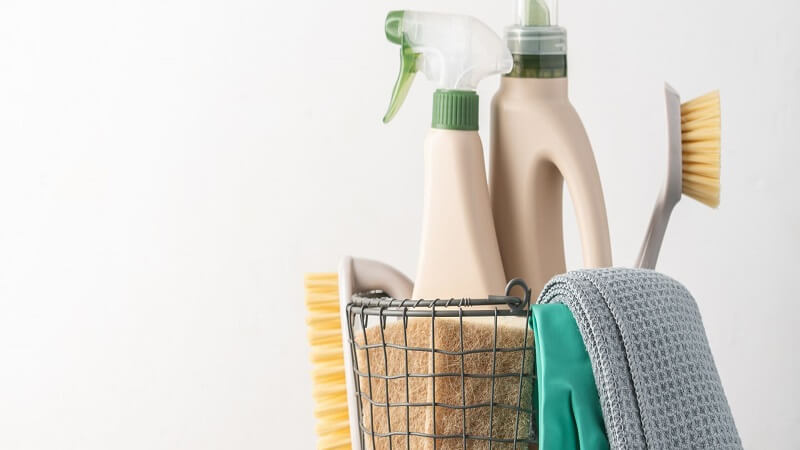
Over the past few decades, public awareness regarding environmental preservation, personal health, and sustainable living has grown exponentially. As homeowners examine their daily habits to reduce their carbon footprints, the focus has shifted heavily toward the chemical products and methods used during routine home cleaning. Traditional commercial cleaning products are often filled with harsh synthetic chemicals like volatile organic compounds (VOCs), ammonia, chlorine bleach, and synthetic fragrances that can cause severe indoor air pollution and aquatic toxicity.
Transitioning to a green housekeeping routine is a powerful way to protect both global ecosystems and your family’s respiratory health. For busy homeowners who want to adopt a sustainable lifestyle without spending hours researching chemical safety, hiring an eco-conscious service provider like PROCLEAN offers the perfect balance of green safety and professional efficiency. Elite cleaning agencies utilize certified green detergents, high-efficiency equipment, and water-conserving protocols to achieve deep sanitization without leaving dangerous chemical residues behind.
Adopting an eco-friendly cleaning style does not mean you have to sacrifice sanitizing power. By understanding the science of natural plant-based surfactants and enzymes, you can achieve a sparkling clean home safely and sustainably.
The Hidden Environmental and Health Risks of Traditional Cleaners
Standard chemical cleaners deliver quick cosmetic results, but they introduce hidden long-term dangers into our homes and shared natural waterways.
The Impact of Volatile Organic Compounds (VOCs)
Many traditional floor polishes, air fresheners, and glass cleaners release high levels of VOCs into closed indoor spaces. These chemicals evaporate into the air at room temperature, causing poor indoor air quality. Chronic exposure to high VOC levels can irritate your throat, trigger severe asthma attacks, cause chronic headaches, and cause long-term damage to the human nervous system.
Aquatic Toxicity and Environmental Bioaccumulation
When synthetic detergents, chemical phosphates, and artificial surfactants are rinsed down sink drains, they travel directly through sewage networks into local rivers and oceans. Phosphates act as artificial fertilizers in waterways, fueling massive algae blooms that deplete oxygen levels in the water, causing the suffocation of fish populations and destroying fragile aquatic ecosystems.
The Danger of Artificial Fragrances and Phthalates
The familiar “fresh scent” produced by conventional laundry detergents and aerosol sprays is created using complex synthetic chemicals. Manufacturers use phthalates to make these artificial fragrances last longer on surfaces. Phthalates are known endocrine disruptors that can absorb through skin contact or inhalation, impacting human hormone balance.
The Power of Natural Chemistry: Your DIY Green Cleaning Kit
You can easily manage a major portion of your daily home cleaning using safe, edible ingredients found right in your kitchen pantry.
White Vinegar: The Powerful Natural Acid
Distilled white vinegar features an approximate 5% acetic acid concentration, making it a highly effective natural disinfectant and grease cutter. The acidic nature of vinegar allows it to dissolve stubborn alkaline mineral scale, break down soap scum on shower tiles, and lift grease smears off kitchen range hoods without requiring harsh scrubbing.
Baking Soda: The Safe Deodorizer and Abrasive
Baking soda, or sodium bicarbonate, is a mild alkaline powder that acts as a natural odor neutralizer and non-scratch abrasive. Because it is chemically basic, baking soda reacts with acidic foul odors to neutralize them completely rather than simply masking them with artificial scents. It can be used to scrub porcelain sinks, deodorize carpets, and lift baked-on food from pots.
| Natural Ingredient | Chemical Property | Primary Housekeeping Use | Safety Consideration |
| White Vinegar | Mildly Acidic (Acetic) | Dissolving limescale, cutting grease, polishing glass | Do not use on natural marble or granite |
| Baking Soda | Mildly Alkaline (Basic) | Deodorizing fabrics, scrubbing sinks, lifting stains | Do not use on delicate aluminum cookware |
| Fresh Lemon Juice | Rich in Citric Acid | Bleaching tile grout, cutting grease, polishing chrome | Can fade colored fabrics if left in sun |
| Castile Soap | Plant-derived Surfactant | General mopping, washing dishes, cleaning countertops | Safe for all sealed natural stone types |
| Hydrogen Peroxide | Natural Oxidizer | Killing mold spores, whitening fabrics, disinfecting | Store strictly in opaque brown bottles |
Lemon Juice and Hydrogen Peroxide for Advanced Care
Fresh lemon juice contains natural citric acid, which works as a natural whitener and antibacterial agent that removes rust stains and brightens tile grout lines. Hydrogen peroxide is a powerful oxidizer that breaks down into simple water and oxygen molecules, making it a highly effective, non-toxic alternative to chlorine bleach for disinfecting cutting boards and killing bathroom mold.
Long-Term Benefits of Choosing Sustainable Green Cleaners
Committing to an eco-friendly green cleaning routine provides major benefits that safeguard your family’s health and reduce your environmental footprint.
- Protecting Toddlers and Pets: Babies and domestic pets spend hours on floors and are highly vulnerable to absorbing toxic chemical floor wash residues through skin contact.
- Preserving Home Building Materials: Natural, pH-balanced plant cleansers clean surfaces gently, preventing the chemical fading caused by harsh acid or alkaline formulas.
- Drastically Reducing Household Waste: Using concentrated green products and washable microfiber cloths removes thousands of single-use plastic bottles and paper towels from landfills.
Frequently Asked Questions
Are eco-friendly green cleaning products genuinely as effective as bleach?
Yes, plant-based surfactants and natural oxidizers remove grease and germs effectively without using the aggressive toxic gases produced by bleach.
Can I safely mix white vinegar and household bleach together?
No! Mixing vinegar with bleach creates a chemical reaction that releases toxic chlorine gas, which can cause severe respiratory damage even in tiny amounts.
Why is white vinegar prohibited on marble and granite counters?
The acetic acid in vinegar reacts with the calcium carbonate found in natural marble and granite, causing permanent chemical etching and dull spots.
How do microfiber cloths help support green environmental safety?
Microfiber cloths can be washed and reused hundreds of times, removing the need for single-use paper towels and lifting 99% of bacteria using water alone.
What does an official “Green Seal” certification mean on a product?
A Green Seal certification guarantees that an independent third-party organization has thoroughly tested the product to ensure it meets strict environmental and safety standards.
Conclusion
Embracing an eco-friendly green cleaning routine is a highly responsible choice that protects global ecosystems while creating a healthier, non-toxic indoor environment for your family. By replacing harsh synthetic cleaners with plant-based formulas and simple household ingredients like vinegar and baking soda, you dramatically reduce your indoor air pollution and protect local waterways. Green cleaning proves that you do not need to rely on aggressive chemicals to achieve a spotless, hygienic home. Ultimately, switching to sustainable housekeeping practices safeguards our planet while providing a clean sanctuary for your household.