
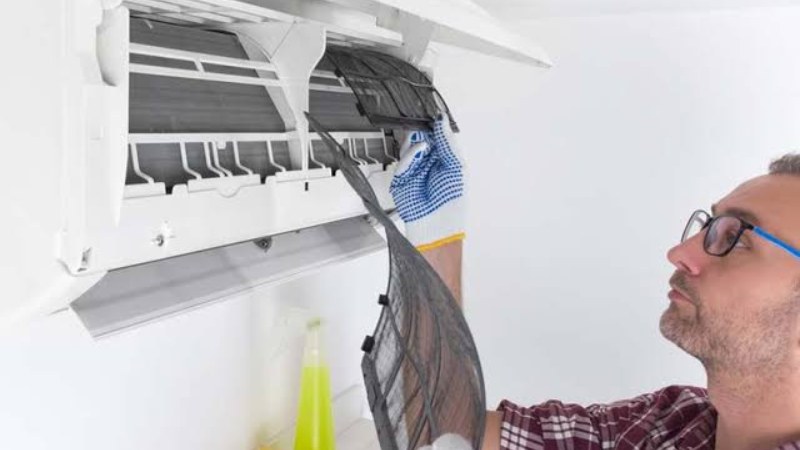
A home air conditioning system often feels like it should run smoothly for years with little attention, yet many homeowners experience repeated breakdowns that seem to come out of nowhere. While it is easy to assume the unit itself is faulty, the real reasons are often hidden in everyday conditions that slowly strain the system. Small issues such as airflow restriction, inconsistent upkeep habits, and unnoticed electrical fluctuations can gradually build up until the system stops working efficiently. In many cases, the actual problem is not one major failure but a combination of minor stressors that were ignored.
Understanding these hidden triggers helps explain why breakdowns keep happening even after repairs, and it also highlights why routine attention matters more than most people realize in maintaining long-term cooling stability and indoor comfort.
Hidden Factors Behind AC Failure Patterns
Neglected Airflow Disruptions Inside the Home
As the system struggles to push air through restricted pathways, internal components begin to deteriorate faster than expected, creating a cycle of recurring service needs and reduced performance that becomes more noticeable during periods of heavy use.
Subtle Electrical Strain and Voltage Fluctuations
Homeowners sometimes seek help with AC repair in Florence, AL, when the system fails repeatedly, without realizing that the root cause may be inconsistent power delivery rather than the unit itself. As electrical strain goes unchecked, it gradually shortens the lifespan of critical components and leads to repeated breakdowns that may seem unpredictable but are actually part of a slow deterioration process.
Accumulated Dust and Internal Coil Contamination
Dust buildup inside an air conditioning system is often underestimated because much of it is not visible from the outside, yet it plays a significant role in recurring breakdowns. When evaporator and condenser coils become coated with debris, the system loses its ability to transfer heat effectively. This forces the unit to run longer cycles, increasing energy consumption and placing additional pressure on the compressor. Over time, reduced efficiency increases the risk of overheating, which can trigger shutdowns or mechanical failures. Many homeowners clean filters but overlook deeper internal components where dust gradually accumulates.
This hidden contamination disrupts temperature regulation and leads to inconsistent cooling performance throughout the home. As the system struggles to maintain output, wear accelerates across multiple parts, making breakdowns more frequent and repairs more complicated than they would be if the buildup had been addressed earlier.
Improper Thermostat Placement and Misread Signals
Many homeowners underestimate the role thermostat placement plays in system performance, yet they often overlook it when diagnosing recurring AC issues. When homeowners install a thermostat in an area exposed to direct sunlight, kitchen heat, or poor air circulation, it may misread the home’s actual temperature. This leads the air conditioner to cycle on and off at the wrong times, creating unnecessary strain on internal components. Over time, these irregular cycles contribute to compressor wear and inconsistent cooling patterns.
In some cases, the system may run longer than needed or shut off prematurely, both of which reduce efficiency and increase the likelihood of breakdowns. The mismatch between actual room conditions and thermostat readings creates a feedback loop that confuses the system’s operation, gradually affecting performance stability and increasing maintenance needs.
Refrigerant Imbalance and Slow Leak Development
Refrigerant levels that are too low or unevenly distributed can cause significant long-term damage, yet this issue often develops slowly and goes unnoticed until the system begins failing repeatedly. Small leaks in coils or connections may not immediately stop the AC from functioning, but they reduce its ability to cool effectively. As the refrigerant level drops, the compressor must work harder to maintain the same output, increasing wear and raising internal operating temperatures.
This continuous strain can eventually lead to compressor failure, one of the most costly repairs in any cooling system. Many homeowners misinterpret the early signs, such as longer cooling times or warm air output, as minor inefficiencies rather than indicators of a deeper problem. By the time breakdowns become frequent, the system has often been operating under stress for an extended period without proper correction.
Poor Maintenance Timing and Reactive Repairs
When sellers understand how buyers assess their jewelry and why they make a particular offer, they can make decisions with greater confidence and less stress. This clarity also helps sellers compare their options, whether they want to keep, sell, or repurpose a piece. In some cases, they may choose to sell one item while resetting or passing down another.
Over time, the lack of preventive care shortens the unit’s overall lifespan and increases the frequency of breakdowns during peak usage periods. A more balanced approach to system care helps reduce unexpected failures and supports more consistent cooling performance throughout the year.
Frequent air conditioning breakdowns are often the result of overlooked conditions rather than sudden mechanical failure. Hidden airflow restrictions, electrical inconsistencies, dust accumulation, thermostat misreadings, refrigerant imbalance, and irregular maintenance habits all contribute to gradual system strain. Each factor may seem minor on its own, but together they create a continuous cycle of stress that weakens performance over time.
Recognizing these subtle influences helps homeowners better understand why their systems fail repeatedly, even after repairs. Addressing the underlying causes rather than only the symptoms leads to more stable cooling, fewer disruptions, and a longer operational lifespan for the unit.