
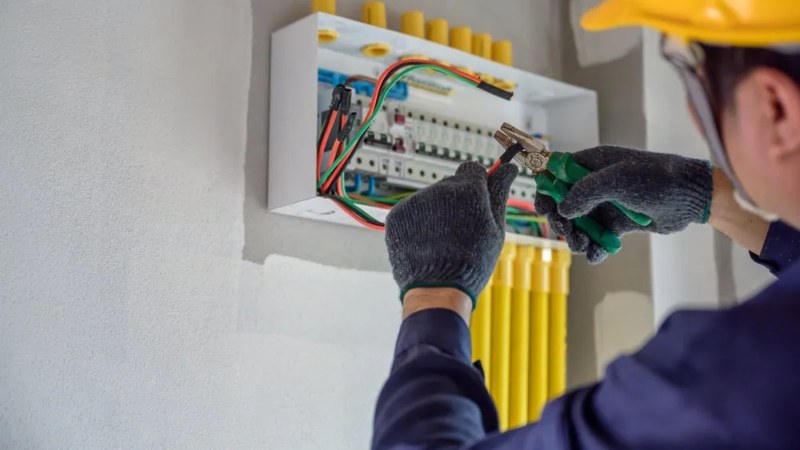
Home renovation work often involves far more than cosmetic upgrades, especially when electrical systems are part of the changes. In Philadelphia, many homes have older wiring, outdated breaker panels, and systems that may not meet current safety standards. During renovation projects, electrical work is central because it affects lighting, appliance performance, and overall household safety. Licensed electricians play an important role in ensuring these systems are evaluated, updated, and properly integrated into new designs. Their involvement helps ensure that renovations do not create hidden risks behind walls or ceilings. From initial planning to final inspection, their input shapes how safely and efficiently a home functions after upgrades are completed.
Electrical safety in renovations
Pre-Renovation Electrical Assessment
Before any physical renovation begins, a detailed electrical assessment is often necessary to understand the condition of existing systems. This process includes examining wiring integrity, panel capacity, grounding systems, and load distribution across circuits. Many older homes in Philadelphia were built before modern electrical demands became standard, which means they may not safely support today’s appliances, HVAC systems, or smart home installations. Licensed electricians carefully evaluate whether existing infrastructure can handle planned upgrades or if modifications are required.
This step helps prevent issues such as overloaded circuits, flickering lights, or frequent breaker trips after renovation work is complete. It also allows homeowners and contractors to plan renovations more effectively by identifying potential limitations early. Without this assessment, hidden electrical problems may surface later, leading to costly corrections or safety hazards that could have been avoided with proper early-stage evaluation.
Integration of Modern Electrical Systems
During renovation projects, integrating modern electrical systems into older homes requires careful coordination and technical knowledge. Updated wiring methods, energy-efficient lighting systems, and advanced control panels must be properly installed to ensure compatibility with existing structures. In many renovation projects, homeowners want improved lighting layouts, additional outlets, or upgraded kitchen and bathroom electrical setups. Licensed electricians ensure that these additions are safely incorporated without overloading existing circuits or creating unsafe connections.
In many cases, Philadelphia electrical services are required to bring older homes up to current electrical standards while aligning with renovation design goals. This process also includes ensuring compliance with local codes and adapting installations to fit structural limitations within walls, ceilings, and floors. The goal is to create a seamless connection between old and new systems so that the renovated home operates efficiently, safely, and reliably without electrical interruptions or long-term maintenance issues.
Compliance with Local Electrical Codes
Every renovation project involving electrical work must follow strict building codes designed to protect both property and occupants. In Philadelphia, these regulations are particularly important because many residential properties vary widely in age and structural design. Licensed electricians are responsible for ensuring that all wiring, panel upgrades, and installations meet required safety standards. This includes proper circuit spacing, correct wire sizing, and safe grounding practices. Compliance is not only about passing inspections but also about ensuring long-term safety and system reliability.
During renovations, changes in layout or room function often require adjustments to existing electrical configurations, which must be carefully documented and executed in accordance with code. Failure to comply can result in project delays, fines, or costly rework. Proper adherence to regulations ensures that the renovated home remains safe, functional, and legally sound for future occupancy or resale.
Electrical Panel Upgrades and Capacity Management
Renovation projects often reveal the need for electrical panel upgrades, especially in older homes that were not designed for modern power usage. Electrical panels serve as the central distribution point for all circuits in a home, and when demand increases due to added appliances or expanded living spaces, the existing system may no longer be sufficient. Licensed electricians assess whether the current panel can handle the increased load or if a replacement is necessary. Upgrading a panel improves the distribution of electricity and reduces the risk of overheating or circuit failure. Capacity management also involves balancing electrical loads across different areas of the home to ensure consistent performance.
During renovation work, this step is crucial because new installations, such as kitchen equipment, HVAC systems, or entertainment setups, can significantly increase energy demand. Proper planning in this area ensures long-term reliability and prevents future electrical disruptions.
Wiring Replacement and System Modernization
Many renovation projects in older Philadelphia homes involve replacing outdated wiring systems that may no longer meet safety expectations. Over time, electrical wiring can deteriorate, become brittle, or fall behind modern load requirements. Licensed electricians evaluate whether rewiring is necessary to support new renovation designs and ensure safe operation throughout the home. Modern wiring systems are designed to handle higher electrical demands while reducing the risk of overheating or short circuits. During renovation work, electricians carefully replace old wires within walls, ceilings, and floors while coordinating with other construction activities.
This ensures that structural integrity is maintained and that new finishes are not compromised. System modernization may also include installing updated outlets, switches, and circuit breakers that improve usability and safety. These improvements contribute to a more reliable electrical system that supports both current needs and future upgrades without frequent maintenance issues or unexpected failures.
Lighting Design and Installation Coordination
Lighting plays a major role in renovation projects, influencing both functionality and atmosphere within a home. Licensed electricians work closely with renovation planners to ensure that lighting systems are properly designed and installed to match the intended layout of each space. This may involve recessed lighting, task lighting, or decorative fixtures that enhance interior design. Proper installation ensures that lighting circuits are evenly distributed and safely installed throughout the home. During renovations, adjustments to wall structures or room layouts often require changes to existing lighting configurations.
Electricians ensure these changes are executed without disrupting overall system performance. They also ensure that energy-efficient solutions are incorporated where possible, helping reduce long-term electricity usage. Coordination between electrical planning and renovation design helps achieve balanced lighting that meets both practical and aesthetic needs while maintaining safe electrical operation throughout the property.
Licensed electricians play a vital role in ensuring safe, functional home renovation projects in Philadelphia. Their involvement begins long before construction starts and continues through every stage of the process, from assessment and planning to installation and final inspection. Ensuring that electrical systems are properly evaluated, updated, and tested helps prevent safety risks and improve overall system performance. Renovation projects depend on their ability to integrate modern electrical needs into older structures while maintaining regulatory compliance.
Their work ensures that homes not only look improved after renovation but also operate reliably behind the scenes. Through careful planning, technical knowledge, and consistent oversight, they contribute significantly to the long-term safety and efficiency of renovated residential properties.