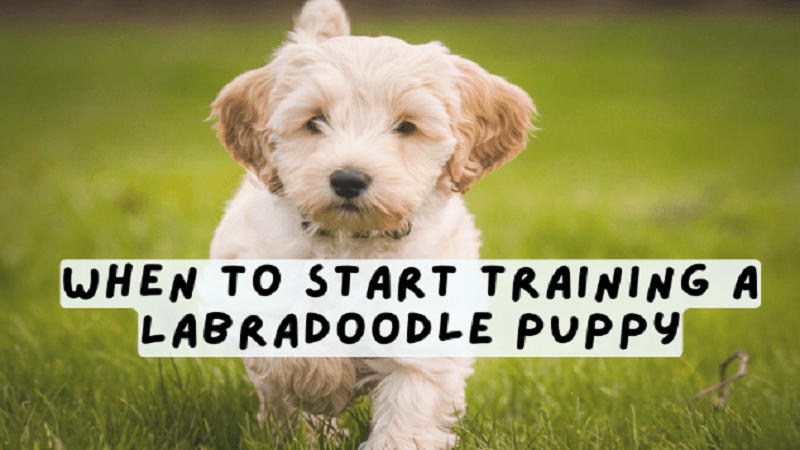
The best time to start training your Labradoodle is the day they walk through your door, usually around 8 weeks old. Plenty of owners think puppy training should wait until 6 months. But that approach misses the prime learning window your pup will ever have.
At oodle pups, we’ve raised Pip and Rosie from playful bundles into calm, well-adjusted dogs. And what we did during those first 16 weeks trained them on how to handle people, other dogs, and new situations today.
In this article, we’ll cover when to begin labradoodle training and what deserves your attention first. We’ll also discuss training methods suited to intelligent breeds and ways to prevent behavioural problems before they appear.
Let’s find out how to teach your labradoodle to socialise properly.
When Should You Start Labradoodle Training?
The ideal time to begin training your Labradoodle is between 8 and 16 weeks old, when their brain is most receptive to learning. This critical socialisation period is brief, and what happens during these weeks affects your dog’s behaviour for years.
Take a look at why training during this early socialisation period influences your Labradoodle’s behaviour long-term.
Week 8 to Week 16: The Prime Training Window
Puppies absorb experiences like sponges during this period and form lifelong associations with people and places. Their brains are wired to accept new things without fear at that time. That’s why positive experiences during these weeks stick longer.
In our experience, early socialisation helps your pup build confidence. Plus, teaching basic skills comes naturally when their brains are primed to learn.
What Happens If You Wait Too Long?
After 16 weeks, fear responses kick in, and unfamiliar things become scary rather than interesting (ask any puppy owner who waited). As a result, older pups need more repetition and patience to learn the same behaviours that young puppies grasp quickly.
Behavioural issues like reactivity often trace back to missed early socialisation, not poor training later on. And most dogs develop behavioural problems because they missed exposure to the outside world during their critical weeks.
First Week Foundations: What to Tackle Right Away
Your puppy’s first weeks decide how the next year plays out. If you miss these early lessons, you’ll spend months fixing preventable habits. We’ve seen many owners wait for formal puppy school before starting any real work.
Here’s what you need to focus on:
- House Training From Day One: You can start slow by taking your puppy outside after meals, naps, and play sessions every time (yes, even at 2 am). Consistency helps your puppy understand when and where to go.
- Name Recognition: Teaching your pup their name during feeding time and play sessions builds the foundation for all other basic cues. This simple step makes obedience training easier down the track.
- Crate Training Setup: It’s a good idea to give your puppy a safe space to decompress daily. Dogs who learn to love their crate settle faster when left alone, which prevents separation anxiety later on.
These first-week basics might seem simple. However, they’re what separate well-behaved dogs from those with ongoing behavioural issues.
Socialising Your Labradoodle Puppy the Right Way
Proper socialisation is the easiest way to raise a confident dog who handles new situations without fear or aggression. You’d be surprised how often owners focus purely on obedience training and skip the social side. Unfortunately, their pups grow into anxious adults who struggle around other dogs and new environments.
This is how to teach socialisation properly.
Family Members, Other Pets, and New Faces
Introduce your puppy to different ages, genders, and voices so strangers don’t cause fear later on. Along with that, controlled exposure to other household pets teaches puppies to read signals and respect boundaries. This early exposure to different breeds helps your Labradoodle understand canine body language across all types of dogs
It’s best to keep initial meetings calm and positive, so your puppy feels safe and confident. And reward relaxed behaviour rather than excited jumping or barking.
Understanding Canine Body Language in Young Pups
Whale eyes, tucked tails, and frozen postures signal stress even in tiny puppies during training sessions. Learning to spot these signs prevents overwhelming your pup during socialisation. So pay attention to these subtle cues.
Conversely, happy puppies show loose bodies, wagging tails, and playful movements during practice. These breed traits appear early in most cases.
Worth Noting: Teaching yourself to read your puppy’s signals helps you adjust exposure to loud noises, different surfaces, and new experiences at the right pace.
Training Methods That Work Best for Oodle Puppies
The right training approach makes learning faster and more enjoyable for both you and your puppy. To give you an idea, labradoodles are intelligent breeds, which sounds like a good thing. But in reality, smart dogs need better methods, or they get bored and frustrated quickly.
Let’s look at some of the best training methods:
- Clicker Training Basics: This method marks the exact moments of good behaviour during training sessions. It makes understanding expectations easier for puppies who are still learning basic obedience skills.
- Food Rewards and Treats: Positive reward systems work better than corrections for Labradoodles who shut down easily. You can use treats strategically during training exercises to reinforce what you want.
- Short Practice Sessions: Keep training sessions to five minutes to help young pups stay engaged without getting overwhelmed. Plus, consistent training in small doses is better than long, exhausting sessions.
- Mental and Physical Stimulation: Active dogs need both physical and mental stimulation. It’s a good practice to combine obedience training with fun activities. Labradoodles love variety, so you should mix leash training, loose lead practice, and walking exercises throughout the week.
These training tips give your oodle puppy the mental stimulation they need. From our experience, puppies trained this way develop better skills and fewer behavioural problems as they grow.
Stopping Behavioural Problems Before They Take Root
Most behavioural issues in adult dogs started as cute puppy behaviours that owners accidentally reinforced. For instance, jumping starts cute, but becomes annoying as time passes.
Instead of appreciating the behaviour, ignore it and reward four paws on the ground (your visitors will thank you for this). Also, puppy mouthing needs redirection to toys rather than hands. This prevents biting habits from becoming permanent.
Besides these, early alone-time practice stops separation anxiety from developing when you eventually return to work or leave home. Well-behaved dogs handle being alone without excessive barking or destructive behaviour.
In reality, the energy levels of active dogs require proper outlets. Without mental and physical stimulation, pups develop behavioural issues out of boredom. That’s why consistent training during these early weeks is important for raising a well-adjusted Labradoodle.
Your Puppy’s Future Starts Now
Starting training at 8 weeks gives your Labradoodle puppy the foundation they need to become a confident, well-adjusted family dog. The socialisation window is short, but the impact lasts for life. So focus on positive experiences, keep training sessions short and fun, and remember that consistency is much better than perfection.
If you’re looking for a Labradoodle puppy in Brisbane, choose breeders who prioritise early socialisation and health testing. Our multi-generational Australian Labradoodles at Oodle Pups come from Pip and Rosie. They’re both fleece-coated girls who live happy, healthy lives as part of our family.
We start gentle handling and exposure exercises before puppies leave for their new families. All the details about our breeding practices are available on our site. So visit us because your puppy is ready to learn right now.