If you’ve lived in Virginia Beach long enough, you already know one thing: the humidity here is no joke.
It’s in the air, in your hair, in your garage… and unfortunately, under your house too.
A lot of homes in Virginia Beach are built with crawl spaces. And on paper, that’s fine. Crawl spaces aren’t the problem. The problem is what happens to them in a coastal, humid climate when they’re left vented, exposed, and basically forgotten. Thus, it’s best to get in touch with crawl space companies near me if you have recently moved into a coastal property.
I’ve seen it too many times — homeowners spend thousands upgrading kitchens, redoing floors, installing fancy HVAC systems… while the crawl space underneath is damp, moldy, and quietly wrecking everything from below.
Let’s talk about why so many Virginia Beach homes run into serious issues without proper crawl space encapsulation.
Coastal Humidity Is a Silent Structural Enemy
Virginia Beach sits right along the Atlantic. That means salty air, high humidity, heavy summer moisture, and frequent storms.
Now imagine your crawl space with traditional vents. The idea used to be: “Let outside air circulate to dry things out.”
Sounds logical, right?
Except in a place like Virginia Beach, you’re not letting in dry air. You’re letting in wet, heavy, moisture-loaded air. That air hits cooler surfaces in the crawl space and condenses.
Condensation turns into damp wood. Damp wood turns into mold and rot. And rot turns into sagging floors, warped beams, and structural repairs that nobody budgets for.
It doesn’t happen overnight. That’s what makes it sneaky.
The Stack Effect: What’s Under Your House Comes Inside
Here’s something most homeowners don’t realize: up to 40–50% of the air inside your home can come from your crawl space.
That’s called the stack effect. Air rises, pulling air from the lowest level upward.
So if your crawl space smells musty, guess what? That smell isn’t staying down there.
If mold is growing on floor joists, those spores don’t politely stay put.
They travel.
People in Virginia Beach often blame seasonal allergies — and sure, pollen plays a role — but sometimes the irritation, congestion, or persistent indoor mustiness is coming from underneath the house.
Encapsulation changes that entire dynamic.
Structural Damage Is More Common Than You Think
Without encapsulation, moisture levels in crawl spaces can stay above 60% humidity for months at a time. That’s prime territory for:
- Wood rot
- Mold growth
- Rusted HVAC components
- Insulation breakdown
- Pest infestations
I’ve walked into homes where floors felt “soft” in certain spots. Homeowners assumed it was old flooring. Turns out, the subfloor underneath had been slowly weakening for years because of constant moisture exposure.
By the time you see visible damage upstairs, the problem downstairs is usually advanced.
Encapsulation helps stabilize humidity, protect wooden framing, and prevent the kind of deterioration that quietly eats away at a home’s foundation system.
Energy Bills Climb — and No One Knows Why
This one surprises people.
When your crawl space is humid, that moisture affects your insulation. Wet insulation loses effectiveness. It compresses, falls, or simply stops doing its job.
Then your HVAC system works harder.
In Virginia Beach summers, where AC units are already fighting heavy humidity, that extra strain can push systems beyond their limits.
Encapsulation creates a controlled environment beneath the home. Dry air. Sealed vents. Insulated walls.
That means:
- More stable indoor temperatures
- Less strain on HVAC equipment
- Lower long-term energy costs
It’s not magic. It’s building science done correctly.
Pests Love Unsealed Crawl Spaces
Here’s an uncomfortable truth.
Damp crawl spaces attract pests. Termites. Rodents. Insects. They’re looking for moisture and shelter — and traditional vented crawl spaces offer both.
Encapsulation seals entry points and removes the damp conditions pests thrive in.
Less moisture = less attraction.
And if you’ve ever dealt with termite damage in coastal Virginia, you know that’s not something you want to gamble with.
Why Encapsulation Works in Virginia Beach?
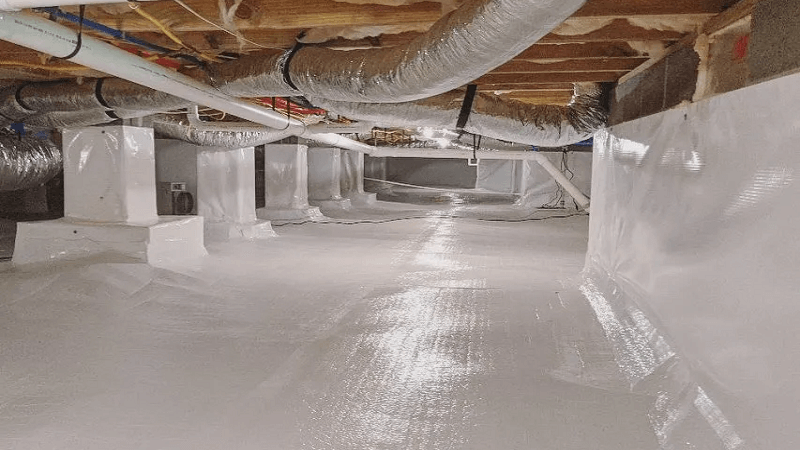
Crawl space encapsulation typically involves:
- Installing a thick vapor barrier across floors and walls
- Sealing vents and exterior openings
- Insulating foundation walls
- Adding a crawl space dehumidifier
Instead of allowing outside air to control the space, you control it.
In a coastal climate like Virginia Beach, that control is everything.
Homes that are properly encapsulated tend to have fewer structural issues, better air quality, and stronger long-term durability. Thus, it’s best to call professional for free crawl space inspection as soon as possible.
And honestly? They just feel better inside.
FAQs
- Is crawl space encapsulation really necessary in Virginia Beach?
In this climate? Yes, in many cases.
High humidity and coastal moisture make vented crawl spaces especially vulnerable. Encapsulation isn’t always mandatory, but it’s one of the most effective ways to prevent long-term damage in this region.
- How do I know if my crawl space has a moisture problem?
Common signs include:
- Musty odors inside the house
- Sagging or uneven floors
- Visible mold on floor joists
- Rusting HVAC components
- High indoor humidity levels
A professional inspection can confirm conditions beneath the home.
- Does encapsulation eliminate mold completely?
It prevents the moisture conditions that allow mold to grow. However, if mold already exists, remediation may be needed before or during encapsulation.
- Will encapsulation lower my energy bills?
Many homeowners see improved efficiency because insulation performs better in dry conditions and HVAC systems don’t have to fight excess humidity. Results vary, but energy savings are common.
- How long does encapsulation last?
When professionally installed with high-quality materials, encapsulation systems can last 15–25 years or more with proper maintenance.
- Is it expensive?
It’s an investment. But compared to structural repairs, mold remediation, or replacing damaged HVAC systems, it often costs far less in the long run.
Final Thoughts
Virginia Beach is beautiful. The ocean, the breeze, the coastal charm — it’s why people love living here.
But that same coastal environment is tough on homes.
Ignoring your crawl space in this climate is a bit like ignoring a slow roof leak. It doesn’t feel urgent… until it suddenly is.
Encapsulation isn’t glamorous. You won’t show it off to guests. But it quietly protects the air you breathe, the floors you walk on, and the structure holding everything together.
And sometimes the smartest home upgrades are the ones no one ever sees.
Except your house.