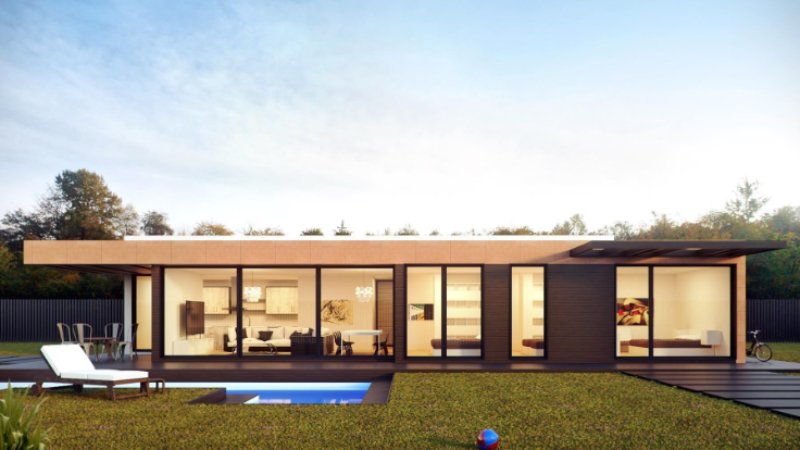
A home exterior can become visually busy without anyone noticing it right away. One season brings a new planter, another adds a sign, then lighting changes, mailbox accessories appear, porch décor grows, and small repairs introduce mismatched finishes. Each item may seem harmless on its own, but together they can make the façade feel crowded, uneven, or harder to understand from the street.
Removing visual clutter does not mean stripping the exterior until it feels empty. It means giving every visible feature a clear role. The best exterior designs use fewer elements with stronger purpose. A clean address display, coordinated lighting, tidy landscaping, and a simple entry arrangement can make a home feel more polished without adding unnecessary decoration. Clarity is the goal, not coldness.
Why Exterior Clutter Builds Up Over Time
Exterior clutter often comes from good intentions. Homeowners want the entry to feel welcoming, the porch to feel seasonal, the mailbox to feel personal, and the façade to feel distinctive. The problem begins when these upgrades are chosen separately. A rustic sign, ornate lantern, modern number plaque, bright planter, patterned mat, and decorative mailbox may each look attractive, but together they can speak too many design languages at once.
A visually cluttered exterior makes it harder for the home’s architecture to breathe. Important features lose their impact because everything competes for attention. The front door no longer feels like the main arrival point. Address details become harder to spot. Landscaping feels less like a frame and more like a leafy commotion committee. Simplifying the exterior helps the strongest features stand out again.
What Exterior Feature Adds Function Without Adding Clutter?
Many exterior design problems stem from accumulation rather than absence. Over time, homeowners add decorative accents, signage, fixtures, and accessories that serve different purposes but compete visually when viewed together. As the number of elements increases, the façade often loses clarity and becomes harder to read as a cohesive architectural composition. Among the features that contribute both practical value and visual simplicity, Modern House Numbers stand out because they combine property identification with a clean design element, eliminating the need for more complicated address displays.
Contemporary architecture relies on purposeful features that justify the space they occupy. Every visible component should contribute either function, visual structure, or ideally both. Address displays naturally satisfy this requirement because they provide essential location information while occupying a prominent position on the exterior. When designed with simple forms and restrained detailing, they reinforce the principles of architectural clarity.
Visual organization improves when fewer elements communicate more information. A streamlined number display reduces reliance on additional plaques, decorative markers, or competing identification features. This consolidation creates a cleaner façade while preserving the information visitors, service providers, and guests need to locate the property.
The result is not merely a simpler appearance. A well-chosen address display strengthens hierarchy, supports architectural consistency, and improves exterior legibility at the same time. By performing multiple roles within a single feature, it helps transform a busy exterior into a more intentional and cohesive design.
Begin by Editing the Entry Area
The front entry is usually the most important place to start because it carries the most visual responsibility. It must welcome guests, identify the home, provide light, support access, and create a first impression. When too many objects gather near the door, the entry can feel crowded instead of inviting. A cleaner approach begins by removing anything that does not support welcome, navigation, or architectural balance.
This type of editing also matters when evaluating where to live or how a home fits its surroundings. Neighborhood character, exterior upkeep, and property presentation can influence the way a residence is experienced from the street. A look at what makes a residential community appealing shows how curb-facing details can contribute to a broader sense of order, care, and place. A clear home exterior supports that same impression on a smaller scale.
Keep Only the Details That Serve the Arrival
A useful test is to ask whether each object near the entry helps someone arrive, identify the home, feel welcome, or understand the design. If it does not, it may be visual clutter. A doormat, one or two planters, a light fixture, and visible address numbers may be enough. Fewer items can make the entry feel more confident when each one has a reason to be there.
Reduce Competing Signs and Labels
Exterior signs can quickly multiply. A welcome sign, address plaque, mailbox label, porch sign, seasonal message, family name sign, security sign, and delivery note can all appear near the same entrance. Too much text makes the exterior feel busy and slows down recognition. The home should communicate clearly, not read like a noticeboard in a tiny storm of fonts.
One strong address feature and one intentional decorative message are usually more effective than several competing displays. If address information appears on the house and mailbox, the two should look coordinated and easy to read. Decorative signs should support the atmosphere without covering practical details. Clarity improves when the most important information is allowed to stand alone.
Choose a Mailbox That Supports the Exterior
The mailbox is often one of the first exterior features people see from the street. A damaged, oversized, overly decorative, or mismatched mailbox can add clutter before visitors even reach the walkway. A simpler mailbox can improve curb appeal by giving the street-facing area a cleaner edge. The goal is not necessarily to choose the plainest option, but to select one that fits the home’s materials, colors, and overall style.
Homeowners looking for a cleaner curbside look can review simple mailbox design options to see how restrained forms can still feel stylish. A mailbox with clean lines, readable markings, and a coordinated finish can support both identification and exterior order. When the mailbox feels connected to the house, the whole property looks more deliberate from the curb.
Keep the Curbside Area Open
Mailbox clutter is not only about the box itself. Overgrown flowers, leaning posts, faded decals, flags, yard signs, and seasonal decorations can make the curbside area look crowded. Landscaping should frame the mailbox rather than hide it. A clean base, trimmed plants, and clear numbering can make the mailbox feel finished without adding extra visual weight.
Create a Consistent Finish Palette
One of the easiest ways to reduce exterior clutter is to limit the number of finishes. A façade with black lighting, brass hardware, chrome numbers, bronze mailbox details, white railings, and bright planters can feel scattered. Choosing two or three main finishes creates a calmer appearance. Repeating the same finish across lighting, address numbers, mailbox details, and door hardware helps the exterior feel organized.
Consistency does not require exact matching. Materials can vary as long as they feel related. Matte black and warm wood can work together. Brushed metal and concrete can feel cohesive. Bronze and earthy paint colors can support a softer traditional look. The important point is to avoid adding finishes randomly. A controlled palette gives the eye fewer things to sort through.
Let Landscaping Frame, Not Crowd
Landscaping can either simplify or complicate a home exterior. Clean planting beds, trimmed shrubs, and open sightlines help the architecture feel stronger. Overgrown greenery, crowded pots, mismatched containers, and plants blocking windows or address numbers can create visual confusion. A well-edited landscape should guide attention toward the entry, not swallow it whole.
A simple planting plan often works best near the front elevation. Repeating the same plant type, using balanced containers, and leaving open space around key features can make the exterior feel calmer. Seasonal flowers can still be used, but they should not compete with the address display, door, or walkway. The landscape should behave like a frame, not a curtain.
Brand Section: Clean Address Details as Design Anchors
Modern address numbers can act as design anchors because they provide essential information in a simple visual form. They help visitors identify the property while adding structure to the façade. When chosen with the right scale, finish, and placement, they reduce the need for extra markers and make the exterior feel more resolved.
Their strength comes from combining function with restraint. A clean number display can relate to lighting, door hardware, mailbox finishes, and exterior materials without overwhelming the façade. In a cluttered exterior, this kind of feature helps restore hierarchy. It tells the eye what matters and gives the home a clearer street-facing identity.
Maintain the Clean Look Over Time
Decluttering is not a one-time project. Exterior clutter can return through seasonal décor, new accessories, plant growth, fading finishes, and quick fixes. Homeowners should review the exterior every few months from the street. If an item no longer supports the design or function of the home, it may be time to remove, replace, or simplify it.
Regular maintenance protects clarity. Clean the address numbers, trim plants, straighten the mailbox, check lighting, remove outdated signs, and keep the porch arrangement simple. These small habits preserve the exterior’s structure and prevent the façade from drifting back into visual noise.
Conclusion
Removing visual clutter from a home exterior begins with purpose. Every visible feature should support identification, access, welcome, or architectural character. When the exterior contains too many unrelated objects, the home becomes harder to read. By editing signs, coordinating finishes, simplifying the mailbox area, controlling landscaping, and choosing clean address details, homeowners can create a clearer and more cohesive façade.
A decluttered exterior does not feel empty when the right features remain. It feels intentional. With fewer distractions and stronger design choices, the home becomes easier to identify, more attractive from the street, and more comfortable for visitors to approach. The best result is an exterior that speaks clearly without raising its voice.